
Florist · 7 min read
How to choose wedding centerpieces guests can see across
Choose the centerpiece from the guest's chair. The table shape, meal service, and the arrangement's footprint matter as much as the flowers.

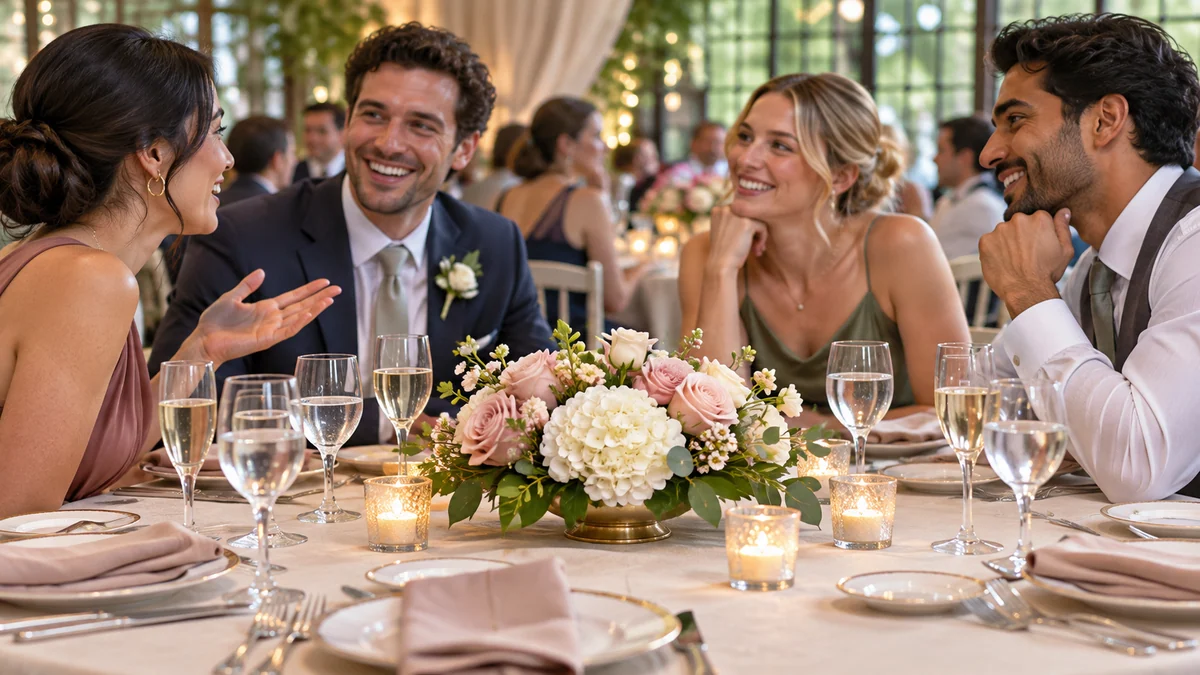
Check the arrangement from a guest's chair
I would start with a low arrangement that leaves a clear view across the table, or consider a tall design only if its narrow support and upper flowers stay out of the seated sightline. Test it on a table set up the way it will be used. The vessels, plates, glassware, and service pieces all take up space that a picture of the flowers alone does not show.
A centerpiece may look small when photographed from above and feel much larger at seated eye level. That matters if dinner is meant to give family members time to catch up. Take a look from more than one place, including a seat at the end of a long table or directly across from the largest part of an arrangement.
At Willow Creek Florist, we create custom floral designs for events. When I talk through a Dallas wedding reception, I want to know how the tables are going to be used. A design for a seated dinner has a different job from an arrangement on an entry table people walk past.
Start with the table shape and the space between place settings
Ask the venue for the tables it expects to use, including their shape and size. A round table has a center everyone faces. A long table may need smaller arrangements spread along its length. A low design that fits one shape may leave too little usable room on the other once settings go down.
Draw the table with the chairs and place settings. Then add the things that are easy to overlook, like water bottles, menus, shared serving pieces, and table numbers. Ask the planner or caterer where those items need to be. The florist can then work with the space that remains instead of guessing from the tabletop dimensions.
If the reception uses more than one table type, ask whether the same design will work at each. A repeated flower or color can connect smaller arrangements and a longer centerpiece without requiring every vessel to have the same dimensions. It also gives you a way to account for a head table or other area with a different layout.
Compare low, tall, and several small arrangements
Mississippi State University Extension describes the long, low horizontal arrangement as a useful design for seated dining. That shape can work well when the arrangement stays within the table's center and leaves the nearby settings clear. Make sure a branch or blossom reaching beyond the vessel will not end up in front of a guest.
A tall arrangement needs room below the flowers and a support that does not make it hard to see or reach across. Talk with the florist about stability and placement, especially where guests or staff will be moving close by. Ask the venue if any height limits apply where it will stand.
Several small vessels can leave breaks along a long table. They can also crowd the settings if there are too many or if the bases are wider than expected. Ask to see the whole grouping in place. The spaces between the pieces are part of the design.
Bring your florist and caterer the same table plan
Tell your florist how dinner will be served. A family-style meal needs space for dishes to land and move around. A plated dinner still needs clear paths for staff and room for glassware or other items used during service. Your planner may be able to share a full setting so you can check it all at once.
Also ask what the venue supplies and what has to be brought in. If you expect to use candles, rented stands, or greenery, confirm the venue's rules and who will place and remove each piece. The final plan should be one everyone can follow on the day.
If you would like help from Willow Creek, bring a table diagram and the details you already know about service. I can discuss a shape and scale that fit the room and the kind of conversation you want guests to be able to have.
Ask what the estimate includes besides flowers
The number of tables, the shape of each arrangement, the flowers, and the vessels all affect the estimate. Delivery, setup, and collection of rented pieces may also matter. Ask for the estimate to identify where the floral work will be placed and who is responsible for removing it. Our guide to what drives the cost of a custom arrangement covers other questions about scope.
If you have a fixed budget, decide which tables need the most visual attention and which can use a simpler design. Mississippi State University's wedding consultation guidance suggests thinking about focal areas. I would choose the focal areas around how guests and photographers will see the room, without giving every table more than it can use.
A quote for a tall arrangement and one for several low pieces can involve different amounts of setup. Ask whether a sample or mockup is included and whether changes after a sample affect the price. Have the person approving the design and the person managing the budget look at the same version.
Use a mock table to find what the photo missed
Set a place the way the venue intends, put the arrangement or a similar-sized sample in the middle, and sit down. Look toward the person across from you and toward the rest of the room. Ask whether you can see the table number from the approach and whether a server can reach the places they need.
Take a photograph from seated height and another from the entrance. An arrangement can work well at the table and still look too small for a large room. A room-level photo helps you decide whether visual interest should come from the table, an arrangement elsewhere, or the way several tables look together. Send both views to the planner and the florist.
Our guide to doing wedding flowers yourself or hiring a florist can help you compare the labor involved. Even if a family member assembles a sample, share the actual setup constraints and review who has time to place it on the wedding day.
Plan for moves and changes after the room is set
If you want to move flowers from the ceremony to reception, identify who will move them and when the tables need to be ready. A piece shaped for an aisle or entry may need a different base or location at the reception. Confirm that the arrangement still lets guests use the table when it arrives.
Allow for the final table count and seating plan to change. Ask how late the florist can adjust quantities and which pieces need to be decided earlier. If the final floor plan includes an extra table, agree on what would go there before the room has to be set.
If any arrangement will spend time outdoors before an indoor reception, let the florist know. Our guide to event flowers in Texas heat describes the handling questions that become important when flowers move between spaces.
Decide what guests can take home
If centerpieces can be given away at the end of dinner, decide whether that includes the vessel. A rented base needs to stay available for pickup. If you want guests to take flowers, discuss how they can leave with them without moving an entire arrangement or spilling water on the table.
I would also ask the planner when it is appropriate to remove the flowers. The guests may still be at their tables during speeches or while the room is being reset. Share the plan with the people doing the cleanup so they know what stays in place and what belongs to the florist, venue, or hosts.
Make room for speeches and other things guests need to see
Look beyond the person across the table. Think about where speeches, the first dance, or a short presentation will happen. Someone at the outside edge of the room may look across several tables to see that spot. If the centerpiece style blocks that view, compare a lower shape on those tables or ask the planner whether a change in placement would help.
The camera angles can be different from a guest's view. If a photographer will cover the head table during speeches, share the planned seating and any flowers you want in the shot. We can discuss whether an arrangement in front of the table or at its ends would suit the room better than several pieces along the top.
Ask the venue how lighting changes once dinner starts. A centerpiece that is easy to read in daylight may look different in a dim room. Make sure table numbers and any important signage remain visible when guests arrive and when the room is at its usual dinner lighting.
What to send me before we talk flowers
Send the reception venue, table shapes, expected service style, and a photo of a setting if you have one. Tell me which parts of the room matter most to you and whether guests should be able to take anything home. If the reception is in the Dallas area, include any limits the venue has already given you.
I would use those details to compare a low design, a taller piece, or several small arrangements. We can talk through how the flowers will look from the room and from the guest's seat. That gives you a basis for choosing an arrangement that fits the dinner you are planning.
Questions people ask me
Are tall wedding centerpieces always hard to see around?
It depends on the shape and placement. Check where the base, support, and flowers sit in relation to the guests' seated view, and ask the venue about stability and height limits.
How can I make flowers work with family-style dinner service?
Ask the caterer where platters will land and how they will be passed. Choose an arrangement that keeps those areas clear and test it with the real table setup.
Can I use the same centerpiece on round and long tables?
You can repeat the flowers or style, but the best size and shape may differ. Try the design on each table type with its actual place settings.
Can a ceremony arrangement go on a guest table later?
It may work if the base, size, and timing are right. Confirm where it will fit and assign someone to move it before guests need the space.
Sources
Keep reading
More from Jay
- Sending flowers to a hospital patient in Dallas: what is allowed, what is not, and what to send instead
- Caring for a gift orchid: watering, light and getting it to bloom again
- Sending flowers to a home with cats or dogs: what is safe and what to leave out
- Wilted in two days: why fresh flowers fade early and how to make them last
Cars, travel and occasions
- Auto Body & Collision Repair · Manasa
- Leather Repair · Francisco
- Fine Jewelry · Adam
- Travel Agent · Dusty


