
Restoration · 7 min read
What can you save after water floods your storage room?
A dry-looking box can hide wet contents. Separate urgent safety questions from the decisions about what can be cleaned, restored or replaced.

The water source matters as much as what got wet
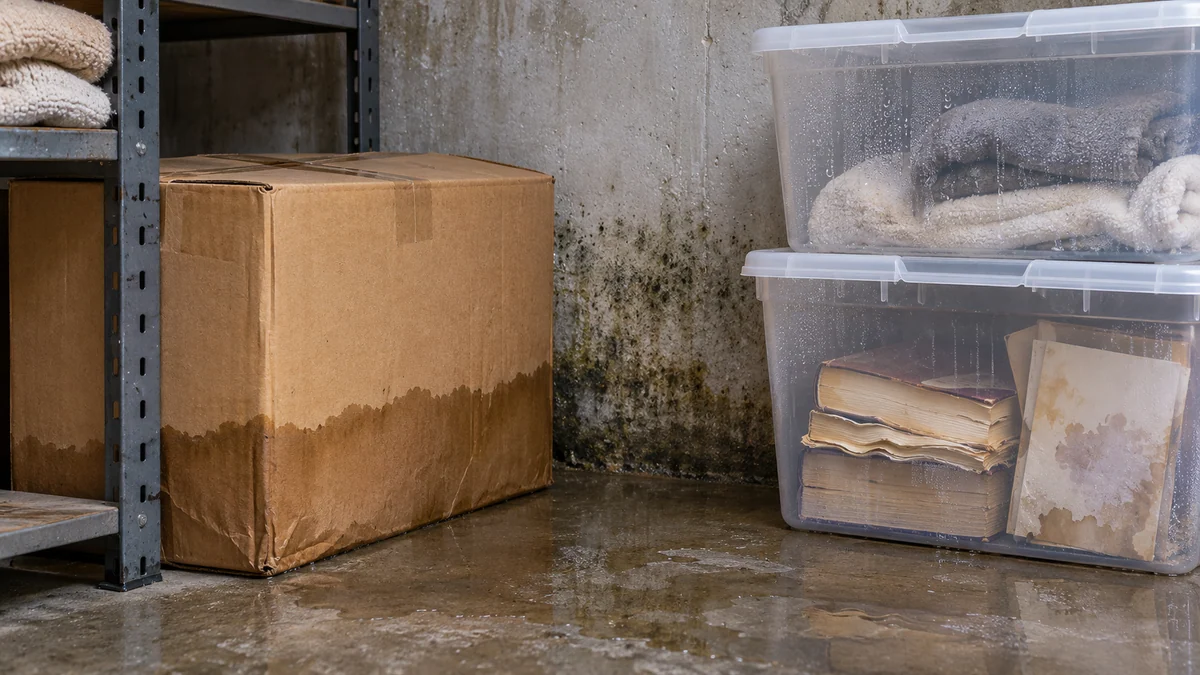
Hard, intact items like some plastic bins or metal shelves may be recoverable after proper cleaning. Soaked cardboard, fabric, upholstery and composite wood are harder to dry and can hold contamination. Start by identifying where the water came from, how far it reached and how long the room may have been wet. Treat an unknown or unsafe water source as a reason to wait for qualified help before sorting things yourself.
At SERVPRO of Park Cities, we handle water damage and contents restoration. A flooded storage room in Dallas often brings two questions at once. Is the room safe to enter, and can you keep what is inside? I would answer the access question first. When everyone can safely assess the room, a few facts about the water and your priorities can help a crew act on the right belongings early.
Let the safety assessment happen before the inventory
If water reached outlets, cords or appliances, stay out of the wet area until an appropriate professional says it is safe. Avoid switching on a fan, plugging in equipment or pulling a wet appliance from the wall. If water entered from outside or came up through a drain, explain that when you call. The Environmental Protection Agency warns that floodwater can leave bacteria and mold on what it touches. Children and others who may be more vulnerable should stay away from the cleanup area.
Tell the person you contact about any damaged containers or unknown liquids in the room. Garages and storage rooms can hold cleaners, lawn products and fuel. If a container may have opened into the water, let the crew know before anybody moves belongings through other parts of the house. For immediate decisions about the source and what to tell a responder, see our guide to the first hours after finding standing water.
Read the room from the bottom up
Once it is safe to look, photograph the room before lifting items. Make one picture of each wall or shelving unit and one of the affected floor. Look for a waterline on the lowest cardboard, inside bin lids and on shelf supports. Boxes that touched a wet slab may be affected even where there is no obvious line on the wall. Check whether any contents fell into water when a box collapsed.
Flag the items that were on higher shelves too. If the water came down through a ceiling or ran across a shelf, something above the apparent waterline may still be wet. Note whether you are looking at one small area or several routes the water took. Our guide to hidden water damage in walls and floors covers symptoms in the structure you can point out while the contents are assessed.
Write down what you think the source was and when someone last saw the room dry. Label those as estimates if you are unsure. It is useful to distinguish what you observed from what someone told you about the leak.
Sort by what can actually be cleaned
Start by grouping what you can see. An intact metal tool or a hard plastic tote gives a cleaner access to most surfaces. A cushion, fabric-covered case or box of papers can absorb water inside its layers. A research review prepared for the EPA explains that porous materials can absorb substantial water and may be more difficult to clean because contaminants penetrate the material. That distinction helps explain why things side by side on a shelf can have different outcomes.
A piece of furniture may include both cleanable and absorbent materials. A metal-legged shelf with swollen fiberboard, for example, may need a decision about the boards separately from the frame. A case can have a washable shell and an absorbent liner. Ask the crew to explain which part of an item is at issue. Some things may be separable and others may be better dealt with as one piece.
You can flag a special item before anyone decides what goes in a disposal group. That gives the crew a chance to assess it and discuss an appropriate specialist if the material calls for one.
Tell the crew what cannot be replaced
A box of tax papers, a family album, a child’s artwork and an inherited keepsake may all look like wet cardboard from the doorway. Tell us what is in those containers when you first speak with us. If you have a second copy or a digital version, make a note. That can help you prioritize the items that really need a recovery assessment.
Handle delicate material as little as possible until you have guidance. Wet papers can tear and photographs may stick to each other. Avoid pulling a stack apart to find out how much got wet. If a photo or document matters, ask the restoration team about possible next steps and who can assess that type of material. Describe what happened and how long it has been wet so they can advise you promptly.
If you need help in the Park Cities, send photos once it is safe to take them and point out where the irreplaceable things are kept. Include any concern about electrical equipment, outside floodwater or sewage so we can start with the right questions.
Agree on how items will be tracked
Ask whether the crew will assess contents in place or whether some items need to move to a different area for drying, cleaning or evaluation. Find out how they track each box and how you will know which items went where. If something is going off site, ask who has it, what it is waiting for and how you will approve the next decision. This is particularly important if several people are sorting at once.
Give the team a simple map of the room when there are multiple shelving units. Name the shelves by position and use those names in your own photos. If belongings are moved, make a note of the original and temporary locations. It saves time later when someone is trying to identify the contents of a box that no longer has its label.
For an insurance claim, ask what documentation the carrier wants and whether it needs to inspect particular items. Photograph and list damaged belongings when it is safe. Our guide to what Texas homeowners insurance may cover after water damage explains why the cause and policy terms matter. Your insurer and licensed insurance adviser can address the specifics.
Keep the clean and wet areas separate
Talk through the route that will be used to move things. A water-damaged room may open into a dry hallway or a living space you still use. When there may be contamination, let the crew decide how to move affected items without spreading the problem. Ask where they want you to wait and which rooms or routes are still available to the household. If you need to find important medication, keys or identification, tell the person directing the work so you can address it without searching the wet room yourself.
Consider what you will need during the next few days. Give the team a list of anything you may need to access quickly while the contents are being evaluated. Ask how to reach them if a new priority comes up. If more than one person in the household can authorize a decision, agree on who will take the calls and share the updates. That keeps the inventory, insurer conversations and restoration decisions tied together while the room is being worked on.
Decide what makes sense to restore
Ask for an explanation before approving work on a group of belongings. The labor to assess, clean, dry and document contents can differ by material and extent of damage. Availability of replacements and personal importance also matter. A common storage shelf may be easy to replace. A collection stored on it may need separate decisions about individual pieces.
Get the proposed scope in plain words. Ask which items are good candidates, which ones are uncertain and what will happen if the team finds damage beneath a lining or finish. If work will be done in stages, ask at what point you can reassess. You can make a decision about the obvious items while setting aside time for a specialist to look at a few others.
If a wet item is heading for disposal, follow the crew’s and local authorities’ directions for safe handling. Keep any photos or inventory records you need. You can take a picture of the label or identifying details where doing so is safe and useful.
Bring belongings back to a dry room
Before putting items back, ask what was done to dry and assess the storage room. If the floor or shelves still need work, agree on a clean, dry temporary location. Return the items you have reviewed and keep anything still being evaluated in the appropriate area. There is little benefit in opening everything in the original room if water damage there is unresolved.
If you call us, be ready to describe the suspected source, affected materials and items you most want to save. Say whether you have already moved anything and tell us what access looks like. We can discuss the assessment and whether specialized contents work is appropriate. When the immediate problem is over, review how the shelves are arranged so the belongings you most care about have an easily accessible place off the floor.
Questions people ask me
Can you keep plastic bins that were in floodwater?
A hard plastic bin may be cleanable, depending on contamination and condition. Its lid and contents need their own assessment, particularly if the bin sat in water or tipped over.
Is a wet family photo automatically ruined?
Some wet photographs can be recovered, depending on their condition and how they were stored. Tell the restoration team promptly and ask a photo conservator for guidance before separating stuck prints.
Can I turn on a wet appliance to see if it works?
Leave water-exposed appliances and electronics disconnected until a qualified person can evaluate them. A dry exterior is insufficient to determine what happened inside.
Do I have to wait for the insurer before moving any wet belongings?
Ask the insurer how to document damage and what it wants kept for inspection. Get help with unsafe conditions promptly and keep a record of any items that need to be moved or discarded.
Sources
Keep reading
More from Alison
- Water or fire hit the office or store: how a business keeps operating while it is restored
- Wet carpet after a leak: when it can be dried and saved, and when it has to go
- How long it takes to dry out a house after a leak, and what happens on each day
- Will insurance pay for the water damage? How Texas policies treat leaks and mold
Your home
- Roofing · Chris
- Gutters · Jordan
- Painter · Andrey
- Power Washing · Doug
- Foundation & Concrete · TJ
- Drywall Repair · John


