
Power Washing · 7 min read
Paint spilled on your driveway: can it come off without leaving a light patch?
A paint spill can come off concrete and still leave a visible mark. The best way to find out what you can save is to identify the paint, check the concrete and let a small test dry.

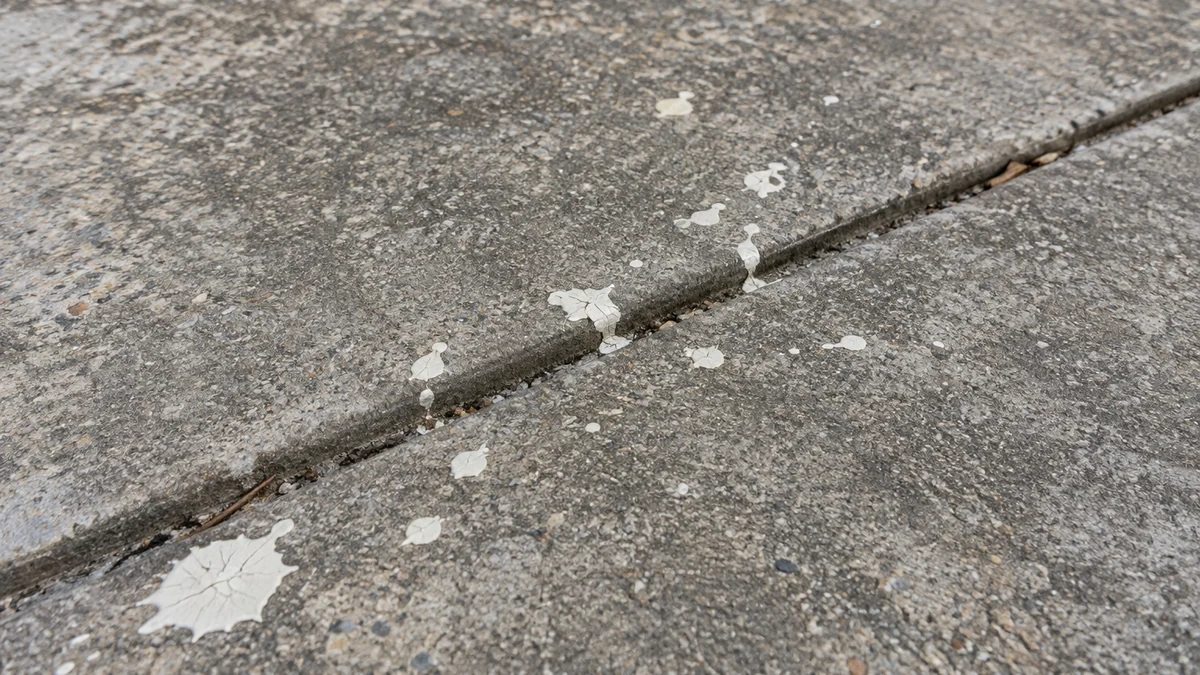
The result depends on the paint and the slab
Spilled paint can often be removed or made less visible, but the result depends on what soaked into the concrete, how the slab was finished, and what previous cleanup did. A small test that dries before you judge it is the best way to see whether the paint will lift cleanly. A light spot can come from cleaning the surrounding dirt, altering a sealer or damaging the concrete surface itself.
At Park Cities Power Wash, we clean concrete driveways and handle specialty stains. When a Dallas homeowner calls about paint, we need to know what landed there and where it landed before we can give a useful answer. A few drops of wall paint near a garage door and a line of spray paint across a sealed driveway can look equally obvious from the street. They can call for different approaches.
Start with the can, the photos and the timing
If you have the can, photograph the front and the label with the product and cleanup instructions. Tell us whether the spill was latex wall paint, an oil-based product, spray paint or a floor coating. PROSOCO's concrete guidance explains that different coatings release differently, and that thin, highly pigmented spray paint can travel past the visible edges of the mark. The product name is more useful than a guess based on color.
If the spill is fresh and small, prevent it from spreading and follow the product label for cleanup. Avoid hosing it toward the street or washing it across an otherwise clean panel. If you cannot control where the liquid goes, pause and ask for help. Keep children and pets away from the area while you deal with it.
For a dried spill, take photos before you try anything else. Get a close-up that shows the texture and an image from farther back that shows the affected area and nearby joints. Tell us how long the paint has been there and what you have already used on it. A previous pass with a wire brush or pressure washer matters because we need to look for damage under the residue.
If the spill happened during a paint job that is still in progress, ask the crew to identify the product and explain what they have already done about it. Find out how they will cover the driveway before work resumes. If you are hiring a painter for a project that has yet to start, add surface protection and spill cleanup to the questions you ask the painter.
Check what the paint landed on
A concrete driveway can be bare, sealed, colored or finished with a coating. Check whether the surface is shiny, whether the marks cross onto a section that was poured at a different time and whether you have records of sealing. Give the contractor any product information you have. A cleaner that releases spilled paint can also affect a finish you intend to keep.
Look at the surface beside the spill. On broom-finished concrete, small ridges can hold paint after most of the visible film has come away. On a slab with worn sealer, the same treatment may leave a clearer change in sheen than on bare concrete. Previous patching matters as well, because a repair can have a different color and texture before anyone touches it.
If you aren't sure whether you're looking at paint, think about the pattern and what work happened nearby. Drops or overspray next to a newly painted gate give you a place to start. A mark below a planter, under a vehicle, or at the edge of an irrigated bed may have a different cause. Our guide to rust, oil and tree stains on concrete covers those other patterns.
Decide what a good test result looks like
I would ask for a small representative test before agreeing to a removal method on the whole spill. A test should help answer two questions. How much of the paint releases, and what happens to the surface beneath it? The area needs to dry before you can compare its shade and texture with the surrounding concrete.
Get close enough to see whether the broom texture and sheen still match, then step back to where you normally notice the mark. You might be able to live with a faint trace that only shows up at close range. A rough spot or a sharp change in sheen can be more noticeable than the paint was. Agree on where you would stop before anyone works on the most visible part of the driveway.
If you're in the Park Cities and want help deciding whether a test is worthwhile, send us the photos and any paint or sealer label you have. Include a view showing how the driveway slopes and where the nearest drain or street is. That helps us understand both how visible the repair would be and how the work area can be managed.
Why another pressure-washer pass can make it worse
Our concrete cleaning service addresses dirt and buildup, but a bonded paint spill needs to be evaluated on its own. PROSOCO cautions that aggressive mechanical work can change the appearance and texture of concrete, and a pressure washer alone can spread pigment while bonded residue remains. Increasing the pressure because the first pass failed can leave a permanent mark where the paint was.
Ask whether the contractor expects to loosen the paint with a compatible treatment before removing it and how they will protect nearby coated surfaces, door thresholds and plants. Ask what would make them stop after the test. A promise to keep going until every trace disappears sounds simple until the texture or sealer starts changing.
Wash water matters too. City of Dallas guidance for businesses calls for keeping contaminated wash water out of the street and storm drains and collecting it when cleaning chemicals are used. Ask how softened paint, residue and wash water will be collected at your property. Our guide to when to stop with a rental pressure washer can help you decide what is reasonable to tackle yourself.
When cleaning to a joint can help with the color
A patch of newly cleaned concrete can look lighter because the rest of the driveway still has ordinary dirt on it. If the test shows intact texture and no change in the finish, ask whether an appropriate wash of the full panel could even out the appearance. A joint or a natural break gives you a place to end that work. It also makes the scope easier to describe on a quote.
That option has limits. Washing a wider area won't rebuild texture that has already been cut by a pressure wand, and it won't restore a sealer that has been stripped in the middle of a slab. If the spill left a color shadow below the surface, cleaning neighboring concrete can leave the shadow just as visible. You may need to decide whether a faint remnant is preferable to more work on an otherwise sound surface.
If someone suggests sealing or coating over the affected area, confirm that the surface is suitable first. Remaining paint or remover can affect how a later coating performs. Tell the cleaner if you already have a coating contractor or product in mind so they can coordinate the scope before you pay for preparation twice.
Ask for a scope that accounts for the dry result
Ask how the estimate handles the test, the paint removal itself, and any optional washing to blend the appearance. Several widely scattered drops can require more time than one contained spill. A textured slab, a known sealer or a low point where water collects can also change the work. A meaningful quote explains what will be done if the test reveals a limit.
Ask who will be responsible for protecting adjacent surfaces and handling cleanup. If the mark crosses a panel edge or gets onto masonry, ask whether those areas need to be tested separately. Before work starts, walk through the expected improvement and the point at which you would prefer the crew to stop. Our pressure-washing hiring questions can help you compare the rest of the scope.
Tell the crew if this is the only entrance or the main parking area. Ask when you will be able to drive or walk over the affected part again and when you can expect to see it dry. If visitors or deliveries need to use the driveway, make that part of the estimate conversation so the crew can plan where to stage equipment and where to keep people away from the work.
Send us enough detail to assess the spill
When you contact us, tell us when the spill happened, what was in the can, what the driveway is made of, and whether the spot has been washed or scraped. A close-up helps us see the residue. A wider shot shows joints, slope, edging and how people use the drive. Say whether the priority is preserving a finished slab, improving the view from the street, or getting the area ready for other work.
After the work, look again when the slab is dry in daylight. If you are happy with the texture and the remaining mark is hard to notice from the spot where you normally see it, you may already have the outcome you wanted. If the area still stands out, the dry comparison and photos can help you decide whether the next conversation is about further paint removal, a wider cleaning area or repair to the finish.
Questions people ask me
Will a pressure washer remove dried latex paint from a driveway?
It may lift some loose paint, but a bonded film or pigment in the pores can remain. Have the concrete and paint assessed before increasing pressure or treating a large area.
Why does concrete sometimes look lighter where paint was removed?
The cleaner may have removed surrounding dirt, changed a sealer or altered the surface texture. Check the spot after it dries, then compare both shade and texture with nearby untreated concrete.
Does the whole driveway need to be cleaned after spot removal?
A compatible wash to a joint can help when the difference is ordinary dirt on the surrounding surface. If the texture or finish changed, cleaning a larger area won't repair that change.
What photos should I send for a concrete paint-removal estimate?
Send one close-up, a wide view that shows joints and the driveway slope, and a picture of the paint label if you have it. Mention any sealer and anything you have already tried.
Sources
Keep reading
More from Doug
- Graffiti on your building in Dallas: how fast it must go and how it comes off cleanly
- Dusty solar panels in Dallas: when they need cleaning and how to do it safely
- Cleaning a cedar fence or wood deck before staining: the right method and the drying time
- Chalky siding: can you wash off the powder without damaging the paint?
Your home
- Roofing · Chris
- Gutters · Jordan
- Painter · Andrey
- Foundation & Concrete · TJ
- Drywall Repair · John
- Handyman · Lindsay


