
Power Washing · 7 min read
Chalky siding: can you wash off the powder without damaging the paint?
Powder that rubs off painted siding can be a sign that the finish is weathering. Here is how to tell when cleaning can improve it and when the wall needs a painter.

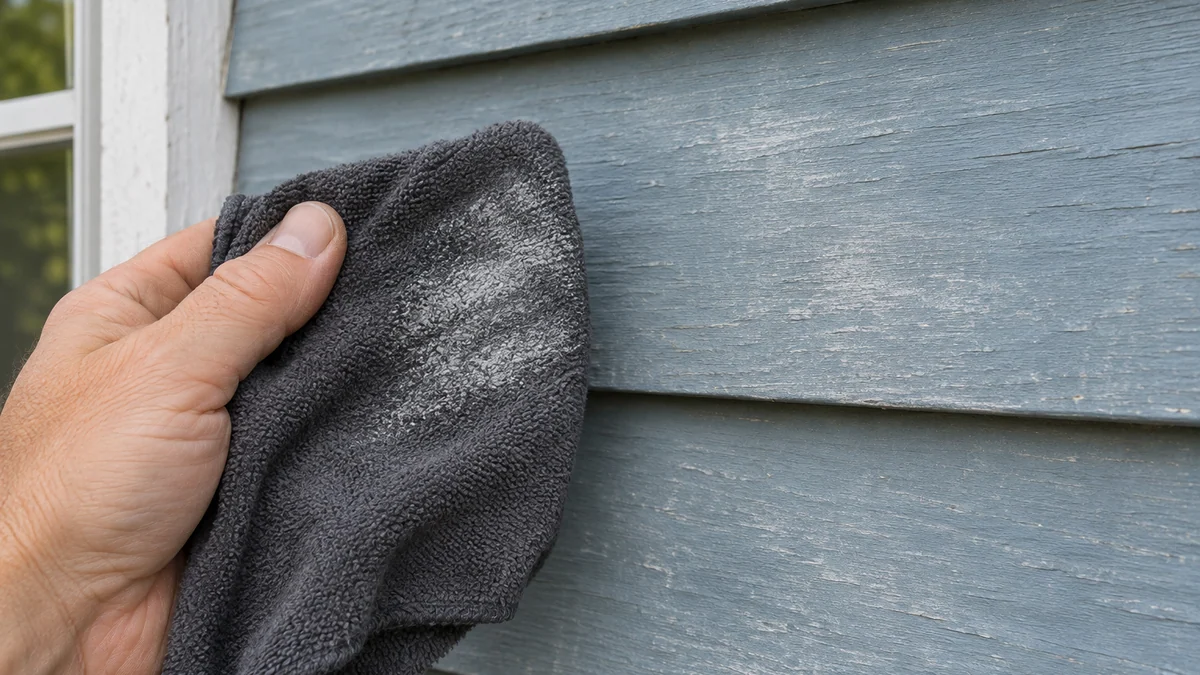
Start with what the paint is doing
A compatible cleaning treatment can remove loose chalk from siding when the finish underneath is still sound. A standard soft wash may leave chalk behind, and washing cannot restore the original color or gloss of a finish that has faded. If paint is lifting, flaking or exposing the board, have the coating evaluated before you pay for a wash.
At Park Cities Power Wash, we treat oxidation on painted metal and fiber cement as a separate job from routine exterior washing. For a Dallas homeowner, that can change what you ask for when you see the whole wall looking dull. Say whether the siding looks faded, leaves powder on a cloth, or has areas where the paint has come away. Those details tell us more than the word oxidation alone.
What a powdery wall is telling you
Sherwin-Williams describes chalking as a powder that forms as exterior paint weathers. It can make the wall look paler than it used to, even when the underlying material has not changed. If the coating itself is also faded, some difference in color can remain after the loose material is gone. A cleaner wall and a newly painted wall can look quite different.
Pay attention to where the change starts and ends. A broad haze across several boards tells a different story from a white streak that starts at a metal trim piece or a green patch concentrated near a downspout. Mixed exteriors complicate the picture. Residue that comes off the siding can run down over brick below, and the two surfaces may need different care.
Compare a wall that gets a lot of sun with a sheltered wall or an area behind a porch. Compare dry siding with dry siding. Keep track of which areas have been repainted, because the boards can look identical at a distance even when one area has a different coating. We would rather know about a past repair up front than discover it when one group of boards responds differently.
If the powder is mostly on the lower boards, look up to see whether there is a clear path from a trim piece, a drip edge or an upper wall. Photograph the point where the mark starts as well as the place it collects. That tells the crew where to inspect before quoting the visible stain, especially when runoff crosses from painted siding onto a different surface.
What you can check from ground level
On intact, reachable siding, a light pass with a soft cloth can help you describe what you are seeing. Use a dark cloth if the residue looks pale, and photograph the cloth beside the wall. Dust can transfer to a cloth too, so treat the result as an observation. A photo of the complete wall helps put that observation in context.
If you see loose paint, blistering or exposed board, skip rubbing or scrubbing that area. EPA recommends a lead-safe certified contractor for renovation, repair or painting on homes built before 1978 where lead-based paint may be disturbed. When the paint age or condition raises that concern, sort it out before you authorize work on the coating.
Pull out any siding paperwork, builder records or paint cans left from a repaint. You want to know both the siding material and what is on it. James Hardie, for example, recommends gentle tools and low-pressure water for routine care and advises against a high-pressure washer. For more background, see our guide to matching the cleaning method to the surface.
- Take a full-wall photo so the estimate can account for the location and spread of the haze.
- Take a close-up that shows the finish at board edges, seams and any chipped spots.
- Note which wall was repainted or washed most recently, if you know.
- Tell the cleaner if you have already tried washing and whether the wall changed after it dried.
Ask for a small test before committing
A useful test includes a representative area of intact siding and some untreated siding beside it. Start somewhere inconspicuous, but choose a location where the chalk looks like the area you want cleaned. A test under a porch may tell you very little about a weathered gable. If the finishes differ, ask whether the contractor can assess both before pricing the entire elevation.
Let the area dry before deciding. Wet siding often looks darker, which makes a fresh rinse a poor way to judge the final color. In ordinary daylight, look at the test from where you usually see the wall. Then look closer for visible residue, uneven gloss, or a change along board edges. I would make the decision about the full wall after that comparison.
If you're looking at siding in the Park Cities and can't tell whether you need cleaning or paint work, send us the full-wall photo and a close-up. Point out the area you care about most and tell us what improvement would make the job worthwhile. The answer can be different for a front wall you want to look even and a side wall where you mainly want the loose powder gone.
What changes when chalking is part of the job
Our standard house wash addresses dirt and organic buildup. On suitable painted metal or fiber cement, the service we list for oxidation can involve a separate treatment and scrubbing. The surface and coating determine the options. The same product or method that worked on a painted metal panel may be unsuitable for a different factory finish or an unknown repaint.
When a siding manufacturer supplies cleaning and finish instructions, use those to set the limits of the work. A statement that the crew uses low pressure tells you something about the equipment. It leaves open what cleaner, brush and amount of agitation they plan to use. Ask how the proposed approach fits your actual siding, especially if you have warranty documentation.
Access affects the plan too. A wall above a planted bed, steep grade or porch roof may take longer to reach and protect. Point out loose trim, leaky windows and any areas you have been keeping dry for a reason. Our house-washing day checklist covers the access and preparation details you can share ahead of time.
When a painter should see it first
Chalk removal is worth discussing when the finish is attached, the test area looks better when dry, and you are comfortable with the color it reveals. If the paint is peeling at board ends, there is exposed material or some boards look swollen or damaged, the next useful conversation is about the condition of the wall. Cleaning won't fill missing paint or repair a board.
If you already intend to repaint, ask the painter to specify how the surface should be prepared before you pay for a separate service. A coat can look clean from the sidewalk and still leave residue that needs attention before repainting. Agree on who will handle washing and who will check the wall afterward. This guide to peeling and chalking exterior paint explains the symptoms to show a painter. If the work is part of a larger project, ask who will confirm that the washed areas have dried and are ready for the next trade.
You can also decide to live with uneven color on an intact finish. If a sample looks a little cleaner but the underlying fade still bothers you, it is reasonable to pause. The sample did its job by showing you what cleaning is likely to accomplish before you committed to the whole house.
How to compare oxidation-removal quotes
Have each contractor spell out the siding and elevations included. One estimate might cover a routine wash on all sides while another includes additional treatment on two walls. If you simply compare the totals, you can pay for an exterior wash and still be looking at the area that prompted the call. Ask for oxidation treatment to be identified clearly in the scope.
Ask how the crew will evaluate the finish after the test, whether the work covers a whole elevation or only visible patches, and what happens if the color varies after drying. If residue has run down over stone or brick, ask whether the surface below is in the estimate. Our questions to ask a washing company covers insurance, access and the rest of the scope.
The main cost factors I would want to understand are the affected area, the time to reach it, how much handwork the coating allows and whether the home has multiple finishes. A photo can narrow down the question. An on-site look is more useful when the top of the wall is the worst part or when the photos show paint wear alongside the chalk.
Show us the wall before you book
When you contact us, send photos of the problem wall and the siding detail, along with any paperwork that identifies the finish. If there is a deadline for listing the house or for a paint job, give us the date and tell us whether you need the wall evaluated or washed before then. That helps us decide whether a site visit makes sense and what needs to be checked there.
After any work, keep the dry photos from before and after and note what was done. If the finish goes dull again, the photos make it easier to tell where that change happened and whether it matches the earlier pattern. For most owners, the practical decision is whether the finish still looks and behaves well enough to keep, and the simplest way to start is with a close look at one representative area.
Questions people ask me
Does white powder on siding always mean oxidation?
Weathered paint can shed chalk, but dust and runoff can also leave pale residue. Look at where it starts and whether the paint is intact before choosing a treatment.
Can a regular soft wash take care of chalky siding?
It may lift dirt and some loose residue, but a routine wash is scoped for dirt and organic growth. Ask about a separate evaluation for chalk removal on your actual siding finish.
Can you wash chalk off only one part of a wall?
It may be possible, but the treated area can look different from the rest of the wall once it dries. Review a small test and decide whether a larger area would give a more even appearance.
Will my siding be the original color after the chalk comes off?
Removing powder can improve how the wall looks. If the coating underneath has faded, the original color or gloss may require refinishing.
Sources
Keep reading
More from Doug
- Graffiti on your building in Dallas: how fast it must go and how it comes off cleanly
- Dusty solar panels in Dallas: when they need cleaning and how to do it safely
- Cleaning a cedar fence or wood deck before staining: the right method and the drying time
- Paint spilled on your driveway: can it come off without leaving a light patch?
Your home
- Roofing · Chris
- Gutters · Jordan
- Painter · Andrey
- Foundation & Concrete · TJ
- Drywall Repair · John
- Handyman · Lindsay


