
Commercial Banking · 7 min read
Should your business finance equipment or pay for it in cash?
The vendor's price is only one input. Compare what each choice does to your operating cash before you decide how to pay for new equipment.

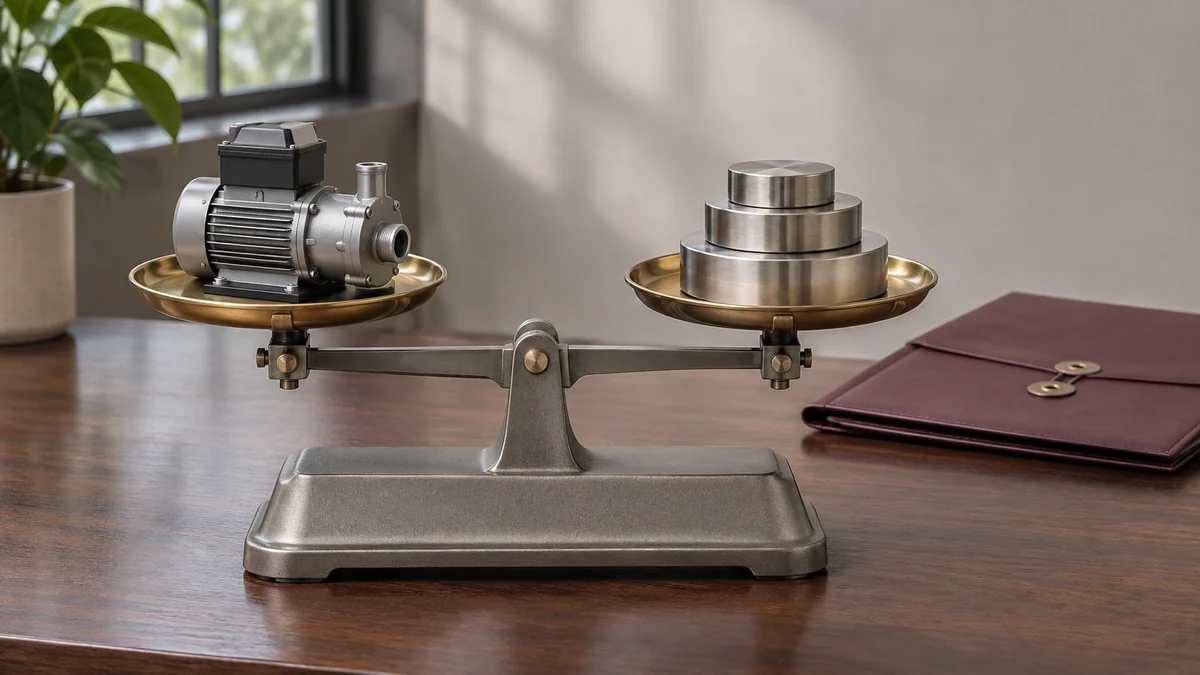
Compare cash after the equipment is ready to work
Paying cash can make sense when the full purchase leaves enough money for the business to operate through a slower period. Financing can make sense when the payments fit your cash flow and keeping cash available is valuable to the business. Compare both choices using the cost to buy, deliver, install, and start using the equipment. I would also ask how the business handles a delay or weaker sales before choosing a payment.
Say you have enough cash for a replacement vehicle or machine. The vendor wants payment before delivery and your payroll comes due before the equipment earns anything. The bank balance before the purchase can make paying cash look straightforward. Plot the payments on the same calendar as payroll, suppliers, taxes, and expected customer receipts. The picture you need is what remains available for the business after those commitments are covered. In a financing comparison, put the down payment, fees, and first payment on the same timeline.
Decide what buying this equipment will change
Start with the reason you need the equipment. Replacing a machine that is already paid for and frequently stops production is a different decision from expanding for orders that have yet to arrive. Put the likely benefits in terms you can check, such as work you can accept, downtime you can avoid, or rental costs you expect to replace. Write down when those benefits can start and what has to happen first.
Include ordinary costs after delivery. A purchase may require freight, installation, site preparation, maintenance, training, or other work. Ask your vendor for a quote that identifies what is included and what is due separately. If the equipment needs a site modification, find out whether someone can quote that work before you sign an order. A payment estimate based on the purchase price alone may leave a gap between what you can finance and what you need to put into service.
Choose a cash cushion before comparing payments
Ask what the business normally needs to cover its next obligations and what it would need if collections slowed. Include the payments you cannot easily move and any seasonal swings you can see from your records. A North Texas business that buys inventory ahead of a busy season may need cash at a different time from a business that gets paid at the time of service. Use your own cash pattern instead of a rule that assumes every business is the same.
Then compare your projected cash with and without the purchase. Write down the month you expect to have the lowest balance and how you would handle it. If paying cash takes you below the cushion you chose, consider how you would replace that liquidity. My guide to business lines of credit and term borrowing explains the distinction between covering a recurring working-capital gap and financing a purchase with a defined useful life.
Make a separate line for cash that is already committed. Money set aside for a tax payment, a contract deposit, or a planned inventory order still appears in the bank balance. Its presence does not make it available for equipment. Review those obligations with whoever prepares your forecasts and keep the due dates visible as you compare offers.
Look past the monthly payment
When you receive a financing proposal, ask what amount will be advanced, when interest and payments begin, and which fees and costs are included. Check whether the payment is fixed or can change, whether there is a balance or purchase option at the end, and whether paying early carries a charge. If the proposal involves a lease, ask what happens when it ends and who owns the equipment. Have your accountant or attorney explain any tax or legal terms that matter to your decision.
Put proposals on the same basis before comparing them. One may cover more of the vendor invoice or have a longer term. A smaller monthly payment can leave the business paying well after another proposal ends. Consider the total amount paid, the cash needed up front, and the timing of the equipment's expected use. Ask who will be responsible for repairs and what happens if you want to replace the equipment before the agreement ends.
If one quote includes an optional service package, separate the amount charged for that package from the financing comparison. It may be worth buying, but it changes the amount borrowed. Compare what the seller will charge for the same equipment and the same add-ons under both payment choices before deciding which offer costs less.
Bring the vendor quote before making a deposit
If equipment is a large purchase for your Dallas-area business, bring the quote, delivery estimate, cash-flow summary, and approximate amount you want to preserve for operations. Tell me what the business needs the equipment for and how long you expect to use it. Frost offers business equipment financing, and the right conversation starts with what the purchase needs to accomplish and how your business expects to pay for it.
Ask early what information the bank may need to review. Frost's equipment financing guidance describes equipment details, financial statements, and tax returns as possible inputs. Use the lender's secure process for sensitive material. For an SBA-backed option, the Small Business Administration also advises preparing financial projections and a clear explanation of the amount and use of funds. If the vendor needs a deposit before a decision, ask what happens to that deposit if the transaction does not close.
Check what the business is committing as collateral
Find out which equipment or other assets the lender expects to secure the financing. Ask whether the lender needs a guarantee and what it would cover. Review any existing financing that might affect what you can pledge. If you already have a line of credit or other agreements, tell the banker before choosing a new structure. A price comparison is more useful when you know how each offer affects the rest of your borrowing.
Ask whether the lender can finance used equipment and what documentation it needs about condition, ownership, or seller details. A machine from a private seller may require different information from a new machine purchased from a dealer. Find out when payment would reach the seller and what happens if the equipment arrives later than planned. Talk to the vendor and lender about timing before relying on either one to match the other's deadline.
Stress-test the same choice under two different months
Run the comparison for the month you expect and a month when the equipment is late, needs extra work, or brings in less cash than planned. Estimate who still has to be paid and when. Keep revenue assumptions separate from money you already know the business has. This exercise can show whether you need a larger reserve, a later purchase, or a different structure. Ask your adviser or banker to challenge the assumptions you are least certain about.
An equipment purchase can also change demand for inventory, labor, or fuel. Include those costs before relying on expected revenue to make the payment. If the business needs additional working capital after the equipment is installed, discuss that separately. My guide to choosing between an SBA loan and conventional borrowing can help you frame questions about how the financing decision is reviewed and what each option may require.
Track what happens after the purchase
After the purchase, compare actual installation costs, payment timing, and equipment performance with your estimate. Make sure any payment dates and reporting requirements are on the calendar. If you financed the equipment, keep the agreement with the purchase documents so you can answer questions about ownership and future replacement. If you paid cash, set a date to check whether the operating reserve has returned to the level you planned.
I also ask who will review results if the equipment is part of a larger expansion. A change in output is easier to discuss if someone tracks the costs you expected to reduce and the time the machine is actually available. Give the person responsible for payments access to the final vendor invoice and contract terms. If a payment or fee differs from the proposal, they can compare the documents while the details are still fresh.
Keep any final schedule where your bookkeeper can distinguish payments and fees for this asset from other recurring withdrawals. If you later ask about another purchase, those records help you assess what the business can support. Include the vendor's final payment receipt in that folder.
What to bring to a banking conversation
If you are considering new equipment for a Dallas–Fort Worth business, bring the vendor quote, the expected start date, and a brief explanation of what cash commitments come due around the same time. If you are comparing a lease, a loan, and cash, bring the available payment and end-of-term details. We can talk through which questions the bank needs answered and which decisions belong with your accountant or attorney.
Before you decide, write the remaining cash, projected payment, and major assumptions for each option in one place. Include who will confirm the vendor's schedule and when the business would next reassess the decision. If the numbers only work with everything going to plan, say so. My questions to ask when choosing a business bank cover how to get clear answers about terms and the ongoing relationship before you commit.
Questions people ask me
Is financing always better when I want to preserve cash?
Financing can leave more cash available up front, and it adds payments and financing costs. Compare the complete cash timeline and the terms before deciding.
Should I compare the rate or the monthly payment?
Look at both along with the fees, term, total paid, and any balance due at the end. Compare proposals using the same equipment cost and timing assumptions.
What documents should I prepare for an equipment loan discussion?
Start with the vendor quote, how the equipment will be used, and financial records the lender requests. Ask how to provide sensitive documents securely.
Can I finance part of the purchase and pay the rest in cash?
Ask the lender what structures are available for your equipment and business. Compare what each down payment leaves for operations and what it does to the full cost.
Sources
Keep reading
More from Leslie
- Credit card processing fees: what drives the cost for a small business, and how to lower it
- Paying for a build-out in leased space: landlord allowance, bank loan or your own cash
- What a bank looks at when your small business applies for a loan
- The line of credit mistakes that surface at renewal time
Money, taxes and insurance
- Certified Public Accountant · Joe
- Bookkeeping · Monis
- Auditor · EJ
- Fractional CFO · Daniel
- Financial Advisor · Joe
- Commercial Financial Broker · Brian


