
Personal Injury Attorney · 7 min read
Who handles an injury claim after a Texas rideshare crash?
A rideshare crash can involve more than one insurer. Start with the trip record, identify the vehicles involved, and separate the question of fault from the question of which policy may respond.
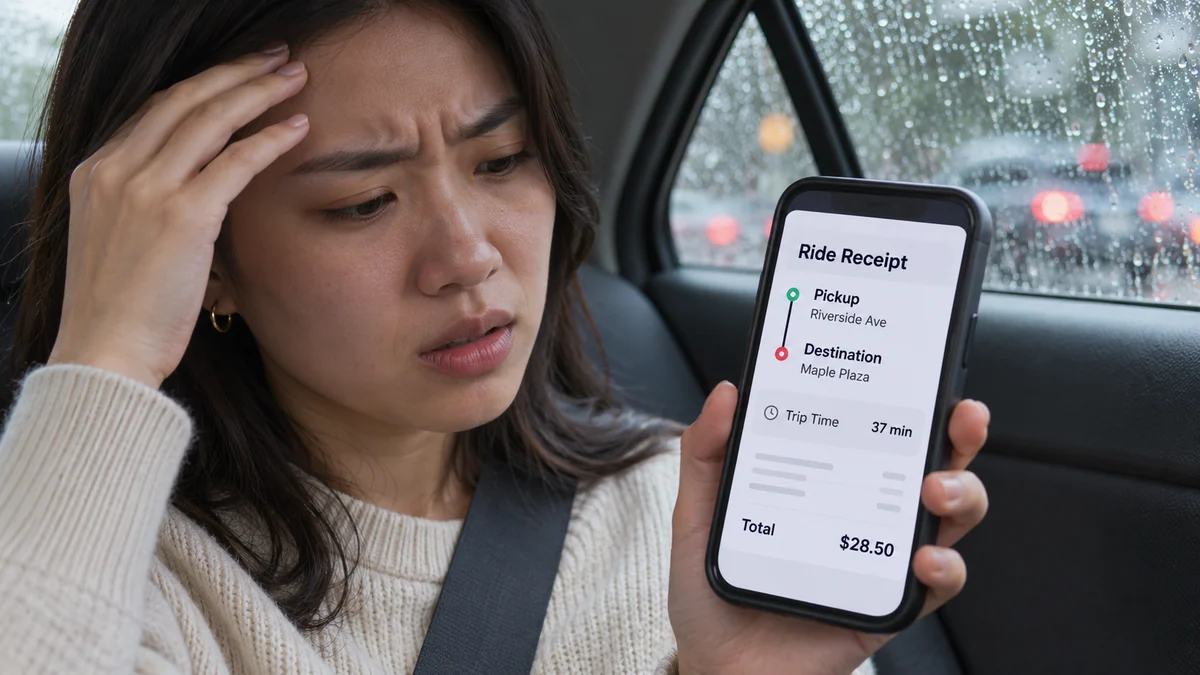
Your trip record is the place to start
If you were hurt as a passenger in a Texas rideshare crash, report the crash through the platform and keep your trip receipt. Whose insurance ultimately responds depends on who caused the collision, where the driver was in the app trip, and which coverage applies. If there was an injury, consider asking a Texas personal injury attorney to identify the policies before signing a release or treating any insurer's first response as final.
Two questions can get tangled in the first call. One is who may be responsible for the crash. The other is which insurance policy, if any, applies to that person's conduct or to your injury. I start with what happened in the vehicles and what the app recorded around the same time. That makes it easier to ask each company a precise question.
If you need emergency help, prioritize your safety and medical care. You can save a receipt from a safe place later or ask someone you trust to help you keep records. The app report is a way to notify the platform about the crash. Keeping the reference number helps when a separate person contacts you about a claim.
Why a booked ride matters
The Texas Department of Licensing and Regulation explains that primary auto insurance is required while a transportation network company driver is logged on to the network and while engaged in a prearranged ride. The driver, the company, or a combination of their policies can satisfy the insurance requirements. The Texas Insurance Code sets different requirements for different phases of that activity.
For someone sitting in the back seat during a booked ride, the receipt and time of collision help establish that the trip was active. A passenger who was still standing at the pickup point has a different fact pattern from someone already traveling to the destination. If the driver was using more than one app, save what you can see on your account and let the people investigating the crash request the other records.
Do not guess at the driver's status if you cannot see it. Make a note of what your phone actually showed and distinguish what you saw from what another person told you. Screenshots of the trip and the confirmation email can help if the app history later shows only a short summary.
The driver who hit you and the policy that answers are separate questions
If another vehicle struck the rideshare, that driver's liability insurance may be one of the first places to investigate. If your rideshare driver caused the collision, the coverage available for the ride may be central. A chain collision or conflicting accounts can make it necessary to examine more than one driver's conduct and contact more than one insurer.
A company may take a report while its insurer evaluates coverage. When you get a response, write down whether the person is asking for information, acknowledging receipt, accepting coverage, or making a decision about fault. Those messages do different jobs. Ask for anything affecting coverage to be explained in writing and keep the original letter or message.
Coverage for injuries caused by an uninsured or underinsured driver also turns on the applicable policy and facts. Our guide to medical bills after a Texas crash explains some terms you may hear. I would check the policy language and who qualifies under it before counting on that coverage.
What I would keep together in one folder
Save the booking and receipt, a screenshot of the ride details, the app's incident confirmation, and any messages connected with the trip. Save the files with their original dates where possible. If a friend or employer requested the ride, ask the account holder for the trip record and keep a note of who placed the booking.
Write down the location, approximate time, driver and vehicle information you received, and the names of witnesses if you have them. If police responded, keep the agency and report number. Preserve photos you already have. You can ask about video or other records without putting yourself back in traffic or trying to collect something at the scene.
Separate the incident records from medical and wage documents so you can find either without searching through everything. Save insurer contacts with the company name, claim number, and what the caller said they represented. If you give the same records to two companies, keep a copy of what you sent and the date you sent it.
Pause when the request could close a claim
I would read any medical authorization, release, or payment paperwork closely before agreeing to it. The title of the form may not tell you the full scope. Ask which parties or claims are included, what dates the form covers, and whether signing would end your right to seek anything further from the people named.
If an adjuster calls while you are still learning the extent of your injuries, record the name and the reason for the call. Our guide to handling the first call from an adjuster explains how to keep that conversation organized. If several carriers are involved or someone wants a recorded statement or broad authorization, a Texas attorney can help you work through the request in light of your particular situation.
A coverage question is worth raising promptly even if you are still gathering records. When a Dallas passenger asks me what to bring, the most helpful starting items are the trip receipt, a report number if one exists, and the messages from the companies already involved. Tell me if any insurer has set a response date or sent paperwork to sign.
Do not rely on one app screen to settle the timeline
Sometimes a receipt shows an end time that differs from the timestamp of a photo or a dispatch record. Phones can show a different time zone, and a trip may be closed in the app after the collision. Keep each original record and make a separate note explaining the sequence as you remember it. That gives someone reviewing the file a way to check the discrepancy.
If the ride involved multiple passengers, it can help to distinguish who booked and paid from who actually rode. The booking account may be the easiest place to retrieve details even when that person was not the one injured. Avoid sharing unrelated account information. The relevant items usually concern the specific ride, the vehicle, and the communications about the crash.
Your own notes can be simple. Mark the point where you entered the vehicle, the part of the ride you remember, and what happened afterward. A place name or intersection can be more helpful than an exact time you are unsure about. Leave uncertain details open until you can check them.
When a legal review can change the next step
I would ask for a review if insurers point at one another, if a company says the app was off when you have a receipt, or if an injury requires continued treatment. A lawyer can discuss the records needed to check those statements and the deadlines that may apply. You can also ask how a proposed fee agreement would handle expenses and what would happen if there is no recovery.
If your claim appears straightforward and you want to compare what you can handle yourself, read our guide to handling a Texas injury claim without a lawyer. A rideshare booking adds information that a regular two-car claim may not have. Make sure you have a way to follow up if the platform, a driver's insurer, and your own insurer give different answers.
Track expenses without trying to value the claim yet
Save explanations of benefits alongside actual bills so you can see which document describes a charge and which shows a payment or balance. Keep appointment dates and a record of time away from work. If a family member is helping you get to appointments, you can keep a simple note of those trips while the details are fresh.
I would keep that information even when you do not yet know whether it matters to an insurer. A folder showing what actually happened gives you a better starting point than an early estimate of what recovery should look like. Separate the expenses you have paid from the ones still being processed.
If the trip disappears from your account
Check your confirmation email and any payment record. Those records may help identify the date, platform, and account used when you ask for the trip history. Keep the crash report or other incident number handy when you contact support, and note where you sent the request.
Tell the lawyer if your account is inaccessible, your phone was damaged, or your employer booked the ride through a company account. Those details can affect who has the records and how to request them. The missing receipt is a reason to identify other sources of information early.
How I would start reviewing the situation with you
Give me the basic trip details and tell me whether anyone has offered payment, denied a claim, or asked for your signature. I want to know what the app shows, which vehicles were involved, and whether someone has asked you to send medical information. I would also ask what questions you need answered first so you can make decisions while treatment or work is still taking up your time.
For a collision in Dallas or elsewhere in North Texas, bring the records you already have and mention what is missing. You do not need to decide who was responsible before asking about coverage. A first conversation can help you identify which questions are still open and which documents could answer them.
Questions people ask me
Can I report the crash if someone else booked the ride?
Start by asking the account holder to save the receipt and confirm the trip details. Explain to the platform or insurer that you were an injured passenger and ask how to give your own contact information for that incident.
Does being in an active ride prove the rideshare driver caused the crash?
The trip record helps show the driver's rideshare status. Fault is a separate question that may turn on what the drivers did, witness accounts, and other records.
What if the other driver had no insurance?
Keep any confirmation you receive and ask which policies may apply. A Texas attorney can review the language and facts before you rely on uninsured motorist or another coverage.
Will the report in the app start every possible insurance claim?
The platform report tells the company about the incident. Ask whether an insurance claim was opened, who is handling it, and what other notices or deadlines may apply in your situation.
Sources
Keep reading
More from Courtny
- Hit by a drunk driver in Texas: who can be held responsible, including the bar
- Hurt at work and your Texas employer has no workers' comp: can you sue?
- A dog bit you or your child in Texas: when the owner is responsible and who pays
- Your family lost someone in a crash: who can file a Texas wrongful death claim
Legal and family matters
- Business Law · Steven
- Estate Planning Law · Marshall
- Family Law · Greg
- Litigation · Tina
- Mediator · John


