
Environmental Services · 7 min read
What to do about suspected asbestos pipe insulation before repairs
Old pipe wrap can be hard to identify by appearance. Clarify what the plumber must touch and get qualified guidance before that work proceeds.

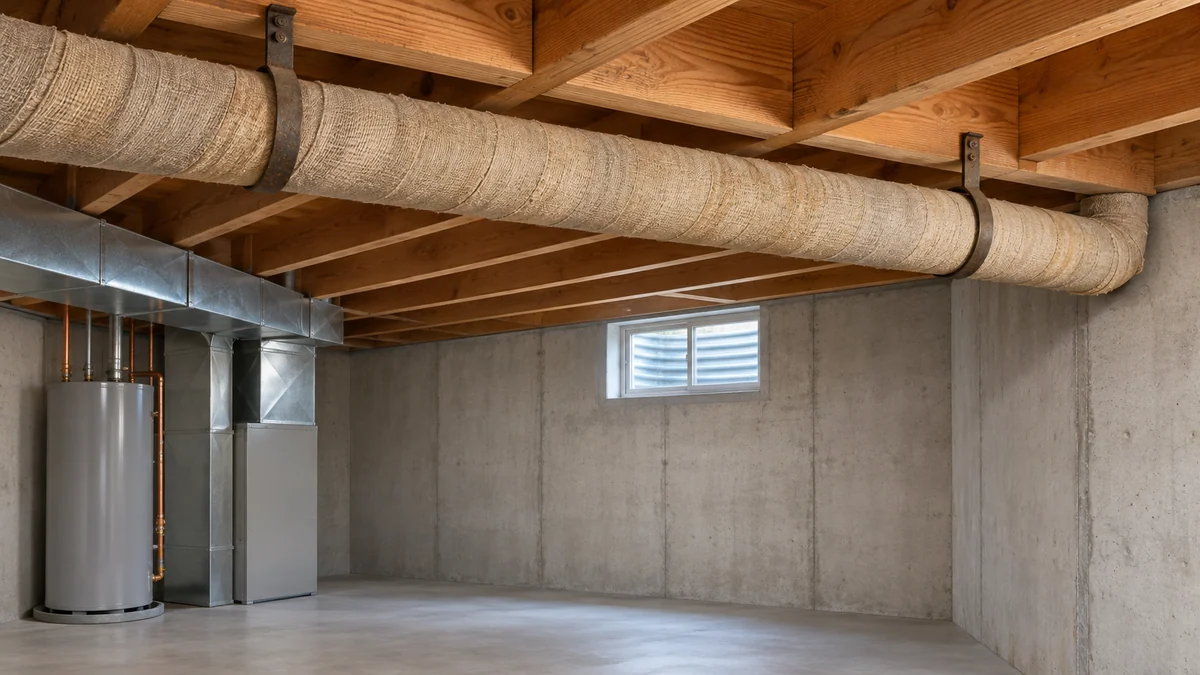
You cannot identify old pipe insulation by sight
A look at the wrap cannot tell you whether it contains asbestos. If the plumber would have to disturb suspect material, pause that part of the work and call a qualified asbestos professional. Leave intact insulation alone while you get guidance. If material is already torn or there is debris, keep people out of the affected area and seek professional advice about the condition.
At P12 Enviro Inspections, I help property owners with environmental inspections and asbestos testing. The question I would ask a Dallas-area homeowner first is what the plumber needs to reach. Repairing a valve in an open area and replacing a line with wrap across the work area create different questions. Get the scope in plain words before deciding what the inspection needs to address.
Find out which work depends on the insulation
Ask the plumber to describe the repair and its planned access without moving the insulation. Where is the valve, fitting or pipe run that needs work? Does the crew expect to touch the wrap or open a wall or ceiling where it continues? If there is more than one repair, identify which ones are near the suspect material. That helps you explain what has to wait and what still needs to be evaluated.
Tell the plumber why you are pausing. Let anyone else working at the property know that the area is being evaluated. Avoid sending someone into a tight utility space for a closer look or a new photograph. Existing records and pictures taken from an already safe position can help describe where the material is.
If the plumbing problem is urgent, tell the plumber about the potential asbestos at the first call. Ask whether they can address the immediate problem from a safe place away from the suspect material, and get qualified guidance before affected work proceeds.
Treat appearance as a clue about condition
A photograph can help show whether wrap appears intact, is visibly damaged or sits near a planned repair. Color, texture and age are insufficient to identify what it contains. The EPA explains that asbestos-containing material generally cannot be identified just by looking. It also advises leaving material alone when it is in good condition and will not be disturbed.
Old pipe runs can have several kinds of insulation, including newer patches next to older wrap. Tell the inspector whether the work is near a bend, joint or place where materials change. They can decide which areas the inspection should address. Do not assume that a result for one material answers the question for a different section.
If you have an old survey or maintenance file, look for a drawing or description that identifies the precise pipe and location. Give the record to the professional rather than relying on a label that may be incomplete. Make sure they also know about any changes since it was written.
If an older report uses a general description such as mechanical insulation, ask the inspector to review how it is linked to the place you need to reach. A description can refer to a different floor or pipe. The most useful record for the plumber is the one that identifies the affected material and the work area together.
Explain what has already happened
Ask whether anyone has worked near the wrap recently. Tell the asbestos professional if a piece appears torn, debris is visible or the plumber stopped after noticing the material. Do not pick up debris, brush the pipe or vacuum the area. Keep people from going through the affected space until you receive guidance about what to do. If the space connects to a shared area, tell the property manager or person responsible for the building.
Give the inspector the date, condition and work involved. A repair that has yet to begin and a job that stopped midway call for different conversations. Avoid assuming the property needs the same next step in both situations. Let the qualified professional evaluate what information and help are needed.
If the affected pipe is in a Dallas–Fort Worth property and you need advice about the scope of an inspection, tell me what the plumber expected to do and where they stopped. We can discuss the information to gather and which part of the job needs to be reviewed.
Ask who is qualified for your building and scope
Texas Department of State Health Services guidance discusses asbestos in buildings and licensing and registration for asbestos activities in public buildings. Ask the professional which requirements apply to your type of property and the work you have planned. A detached home, shared residential building and commercial space can present different questions. For a rental or managed property, coordinate with the owner or property manager before arranging work.
Ask what work the professional is qualified to do and who will interpret the findings for the plumbing scope. If a laboratory analysis is appropriate, ask how the laboratory result will be tied to the specific material and location. Arrange for qualified people to handle the evaluation. See our guide to asbestos and lead testing before a remodel for the broader planning questions.
Get a report the plumber can use
Ask what you will receive after the inspection and how it will identify the material and location. A result should be tied to the area it addresses. A statement about one section of wrap may not apply to a different piece at another location. Tell the inspector about all parts of the pipe run the plumber expects to access and ask whether any areas will remain outside the assessment.
Share the report with the contractor who plans to do the work and ask them to review it against their plan. If the report leaves a material or work area unresolved, get the inspector’s explanation before that area is affected. If you are coordinating more than one trade, give each one the same description of the locations and restrictions.
Ask when to expect written findings and who is available to answer questions about them. For what can influence the estimate, see our guide to the cost factors for environmental testing.
Ask what to do if the material is confirmed
A confirmed result gives you something specific to plan around. A qualified professional can advise whether the material can be managed in place, whether the plumbing route can change or whether specialized work is needed. Ask what condition they found, which part of the plumbing scope it affects and who is qualified to carry out the next step. Get the requirements for your building and location from the relevant authority or professional.
Do not assume that the plumbing contractor can handle asbestos-related work. Coordinate the two scopes and ask who will confirm when the plumber can return. If part of the material can stay undisturbed, have the professional document where it remains and what future work would need to account for it. Keep that with property records that a future owner or contractor can find.
Ask how access and timing affect the quote
Explain whether the affected line is in an open mechanical room, in a shared building area or behind a closed surface. Give the professional the access restrictions and any details the plumber has already provided. Ask what the initial inspection includes and what could require a separate visit or another qualified trade. Do not open an area to find out what is behind it while the material is still being evaluated.
Tell the professional when the plumbing crew needs an answer and what will happen if the timetable changes. Ask when the report can be available and whether the schedule is an estimate. If an urgent repair needs a different route or another arrangement, have the qualified people discuss what can be done safely. Keep the affected work on hold until the people responsible have agreed on the next step.
Ask the property manager whether there are approved contractors or building access requirements, particularly for work around a shared pipe.
Review the results if the plumbing scope expands
A contractor may find that a job has to extend past the first valve or section of pipe. If new work reaches a material or location that was outside the report, stop and discuss it with the asbestos professional. Tell them what changed and ask whether the original findings address the new area. It is easier to make that call when the plan and report identify the exact parts of the property involved.
Ask the people arranging the work how changes will be communicated. Name someone who can coordinate between the environmental professional and the plumber. If there is a building manager, make sure they know what has been assessed and which areas are still subject to restrictions. For a property purchase or broader review, our guide to environmental testing in an older home discusses related questions to raise.
Tell me where the pipe is and what the work would touch
If you contact me, share the property type, the room or utility area, and what work is planned. Tell me whether the wrap looks intact from where you can already see it and whether the plumber has started. Send any existing reports or safe photographs you already have. I can discuss whether an asbestos assessment fits the situation and what needs to be included.
Agree on what has to happen before the affected work resumes. The plumber should know which areas they can access and when to ask about a change. You should have a written record that explains which material was evaluated and who will answer any outstanding question.
Questions people ask me
Can a photograph tell me whether pipe insulation contains asbestos?
A photograph can show location and visible condition. Material identity requires qualified evaluation and, when appropriate, laboratory analysis.
Can the plumber work on another part of the pipe while we wait?
Share the affected work area with the plumber and asbestos professional. They can assess whether any part of the job can proceed without affecting the suspect material.
Do I need to remove all old pipe insulation if one part is confirmed?
Ask the qualified professional about the condition, planned work and applicable requirements. Material in sound condition may be managed in place when it can be left undisturbed.
What do I do if the wrap is already torn or there is debris nearby?
Keep people out of the affected area and get qualified advice about the condition. Avoid disturbing or cleaning up suspect debris yourself.
Sources
Keep reading
More from Zeke
- Lead in the yard: when to test the soil before children play or you plant a garden
- Lead in your tap water: how to check the service line, the plumbing and the water itself
- How fast mold starts after a water leak, and when testing is worth it
- Young children in an older house: how to tell if lead paint is a risk and how to test
Running a business
- Business Consultant · Armando
- Business Broker · Michael
- Franchise Consultant · Avinash
- Recruiting and Staffing Services · Chase
- Information Technology · Anthony
- Computer Software · Brandon

