
Business Broker · 7 min read
How to put your business up for sale while protecting its identity
Buyers need information to evaluate an acquisition. I release it in stages so they can assess the business without everyone learning it is for sale.

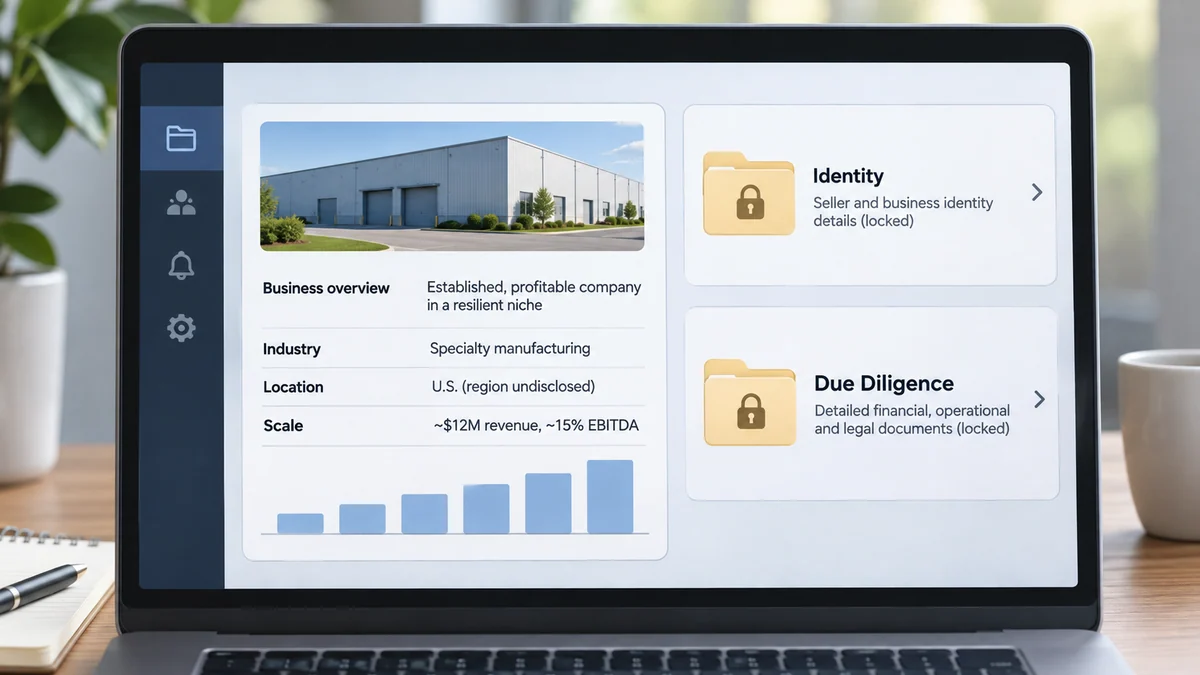
Market the opportunity before you reveal the name
To market a business confidentially, start with an anonymous description that explains the opportunity without identifying the company. Screen interested buyers, require an appropriate confidentiality agreement, and release identifying details in stages after approval. Decide in advance who may learn the company name, which information comes later, and how employees and customers will hear about the sale if it moves forward. A buyer needs enough information to evaluate the deal, and you need a process for deciding when to share it.
I’m Michael Rubin with MDR & Associates. When I discuss a sale with a Dallas business owner, I ask what could happen if people connected to the business heard it was being marketed tomorrow. An employee might worry about their job. A customer may ask whether service will change. The answers help me decide what information belongs in the first description and what should stay private until there is a credible buyer.
Identify what would give the business away
Write down the facts people in your industry already associate with your company. An address and company name are easy to spot. The combination of a narrow service, a small city, a distinctive fleet, and a recognizable customer contract can be just as revealing. Think about what a competitor, employee, or supplier would recognize from an anonymous listing. Then mark which details should be generalized in that first description.
An owner may want to mention the exact history of the company to make it stand out. A buyer often needs the operating model, broad geography, and financial profile first. For example, a regional provider of recurring field services can describe the kind of work and how revenue is earned without naming the shopping centers it services. Keep each description accurate after removing identifiers. A potential buyer should still know enough to decide whether the opportunity fits.
Review photos, document names, and attachments as carefully as the copy. A cropped photo can still show a company color scheme or unique equipment. An exported spreadsheet can preserve names in a tab or filter. Build the public description from information you have cleared for release instead of reusing an internal file that was never intended to circulate.
Decide which buyer inquiries deserve the next step
At MDR, our published process calls for a confidentiality form and financial profile before we share a detailed marketing package with qualified buyers. A buyer’s interest can come from curiosity or from a real ability to close. I want to know what kind of business they are looking for, who will evaluate the opportunity with them, and how they would approach funding. An answer can prompt additional questions before the seller’s name goes out.
Different buyers deserve different scrutiny. An experienced operator in another market may ask for a location to judge whether the deal fits. A direct competitor may learn something useful from details such as customer mix and pricing even if a transaction never happens. Make a list of buyers who need your explicit approval before any identifying information is shared. If an adviser is doing outreach, ask how they handle a buyer who is already talking to you.
My questions to ask a business broker before signing include the work to settle before an engagement. Ask who screens requests, who approves exceptions, and what record you can see afterward. A defined process helps you judge which people will have access at each stage.
Use the agreement with a disclosure plan
Discuss a confidentiality agreement with your attorney and adviser. Ask how it defines who can receive information, what the prospective buyer can use it for, and who should handle contact with staff, customers, or suppliers. Confirm how prospective buyers can involve their lenders and advisers. If any contract or professional obligation limits what you can share, tell your adviser before the materials are prepared.
Make a separate list of what goes out after a buyer is screened and what comes later. A summary of earnings may be appropriate before a list of individual customers. A buyer may be able to evaluate recurring revenue from anonymized examples before seeing contracts with names and terms. If someone requests a more sensitive item early, ask what decision they need to make and whether a less identifying version will answer their question.
Keep a record of what went out, when, and to whom. A controlled folder makes it easier to give each buyer the documents they need without sharing the whole package at once. If a deal stalls, confirm which people still have access and what should happen to the materials under the agreement.
Prepare the information before the first conversation
I ask owners to collect the financial records, broad description of products or services, and information about who handles key operating decisions. Work out which materials contain personal information, detailed pricing, or identifying customer records. My business sale readiness guide explains the financial and operational questions a buyer will eventually ask. Preparing an answer early gives us time to decide how and when to share it.
If you want to sell a company in Dallas and are worried that the listing will be recognized, contact us before writing or posting it. Bring a short description of the business and a list of the people you are most concerned about informing too soon. We can discuss whether an anonymous introduction can explain the opportunity without giving away those details.
Ask who will write and approve the public description. Even a change to a search filter or location label can narrow the field more than you expect. Read the final version as a person who knows your market before it goes up.
Set rules for meetings and site visits
A buyer who wants to visit a location may be ready to move the conversation forward. I first ask what they need to see and whether it can be addressed in another way at that stage. A discussion away from the business, a review of a less identifying set of records, or a later visit can sometimes give the buyer enough to proceed. Decide how visits will be arranged before someone arrives and asks for the owner by name.
Plan who will attend and what the buyer can ask during a visit. Choose a setting where the buyer can evaluate the work without putting employees in an awkward position. Review how communication will happen after the meeting. A buyer may want introductions to customers or key staff before they commit, so discuss with your advisers what will be necessary and when.
Know what to do if somebody sees something they were not expecting. The owner and adviser should agree who fields questions and how to answer honestly without speculating about a transaction. Avoid telling people a closing is certain while significant conditions remain open.
Check the proposed materials before they leave your hands
Read the description and any buyer handout on a screen separate from the files you used to create it. Check the visible pages, footer, document properties, and embedded images. Then ask your adviser to walk through the exact sequence a new inquiry will see. A seller who approves a summary by email may never see the listing preview or attachment names unless they ask for them.
Set a date to review the listing if the first set of inquiries is weak. We might need to explain what the business does in plainer terms or describe the service area differently. Treat each revision as a fresh disclosure decision. Have someone who knows the market read it again before it goes up, especially if you are adding details to answer repeated buyer questions.
Prepare the communication that happens when a deal gets real
Confidentiality during marketing gives you time to think through communication. It does not decide when a particular employee or customer needs to hear about a possible change. An owner may need help from a manager to produce diligence information. An agreement with a landlord or customer might require notice or consent. Ask your attorney to review the actual agreements, and make a list of any disclosures that could affect the schedule.
Discuss what the buyer will say about continuity if a deal closes. Employees may ask who will supervise them, customers may want to know whether the same team will serve them, and suppliers may need a new contact. My guide to an owner’s transition after selling explains how the handoff can affect the work that remains with the seller. Put a person and a planned time next to each audience.
If a potential transaction ends, review the folder access and any open buyer requests. Keep the materials you still need for the next qualified inquiry, and note any information that should be updated. A written disclosure history helps you make that decision even if several buyers have been in conversation at once.
What to bring when you are ready to talk
Bring a short company description, a rough idea of the buyer you would consider, and a list of facts that could identify the business. Let me know if an unsolicited offer or another conversation is already in play. My guide to reviewing an unsolicited business offer covers what to collect when a potential buyer has already approached you.
We can review what you want to accomplish, how much to put in the initial description, and what would have to happen before an interested party sees the name. You should leave the conversation knowing which details would be shared first and what decisions remain with you. That gives you a way to assess a proposed sale process before the listing or any outreach begins.
Questions people ask me
Can I market a sale without putting my company name online?
An anonymous description can share the general opportunity without giving the name. Review it for combinations of details that could still identify the company to someone who knows the market.
Will a confidentiality agreement prevent everyone from finding out?
An agreement is one part of the process. Screening buyers, limiting information to what they need, and agreeing on how people may be contacted also matter.
When should I tell my employees I am considering a sale?
That depends on their role, what diligence requires, and the agreements that govern the transaction. Discuss the timeline and message with your advisers and the buyer before sharing details.
Do I have to give a competitor my customer names?
Ask what the prospect needs to assess and whether anonymized information would work at that stage. Review any later disclosure of names and contract details with your adviser and attorney.
Sources
Keep reading
More from Michael
- Seller financing or an earnout: when to accept deferred money in a business sale
- The working capital adjustment: the clause that can move your sale price after closing
- Private equity, strategic buyer or individual: which buyer fits your company and your exit
- What it costs to sell a company through an M&A advisor, and what the fee should buy
Running a business
- Business Consultant · Armando
- Franchise Consultant · Avinash
- Recruiting and Staffing Services · Chase
- Information Technology · Anthony
- Computer Software · Brandon
- Business Phone & Telecom · Beau


