
Litigation · 7 min read
How to preserve business texts and email when a dispute is escalating
The important evidence may be in a project manager’s phone, a shared mailbox, or an attachment that never made it into the file. I start by finding where those records live.

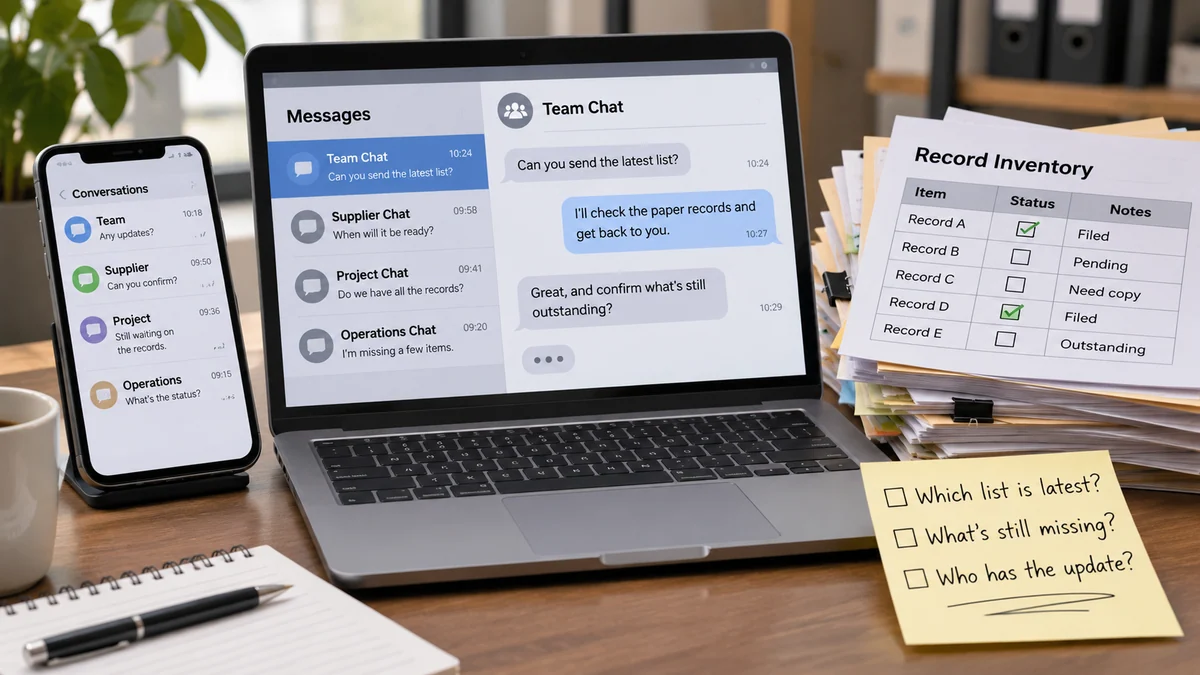
Preserve the conversation and the records around it
When a dispute is escalating over email or texts, identify and protect the messages, attachments, and records that explain what happened. Include the threads people used for agreements, changes, payments, or complaints and flag any system that may delete them automatically. Ask litigation counsel promptly which people, dates, and sources the company should preserve. In Texas the duty to preserve evidence can arise before a suit is filed, depending on what the business knew and what information may be material.
I’m Tina Wysk, a business litigator at Hallett & Perrin in Dallas. When a client says everything is in the texts, I want to know who was in the discussion, whether a document was attached, and where the other parts of the story were recorded. Sometimes the email sending the attachment is the only record of which version the parties actually saw. That is worth identifying while it is still easy to find.
Get counsel involved while the records are still available
The Supreme Court of Texas discussed the preservation duty in Brookshire Brothers v. Aldridge. Its analysis connects the duty to a substantial chance of a claim and evidence within a party’s possession or control that would be material and relevant. A lawyer can help apply that standard to your situation and tell you which steps are appropriate. Preserve potentially relevant information while you are getting advice about the scope.
Send counsel the basic sequence, including the first sign of a dispute, any demand or deadline, and what records could be lost if nobody acts. My guide to receiving a demand letter or lawsuit covers other immediate decisions. Tell the lawyer if a device is about to be replaced, an employee is leaving, or a message service regularly deletes older content.
Identify a person who can coordinate the response. They may need to work with managers and IT while counsel defines the legal scope. A company that leaves the work to one participant in the dispute can miss records in other departments or places that person cannot access.
Make a list of people and systems before collecting
List the people involved and where they did the work. Include employees who approved a change, a person who sent an invoice, and anyone who received a complaint or a notice. Write down the devices and services they used for the relevant communications. Start with business email, text messages, shared project tools, and the locations where attachments or versions are stored.
Include work-related messages on personal devices or outside accounts in the inventory if you know they exist. Tell counsel who controls those records and what company policies apply. Get legal and technical guidance before accessing a device or account you are not authorized to use. In many cases the first useful step is knowing where the record is and what might happen to it, so counsel can address access appropriately.
Mark which systems have an automatic retention limit or recent changes. A shared chat that deletes messages after a set period may need a different approach from a mailbox your administrator can preserve. Note whether anyone has already exported records or changed settings, and tell counsel about those steps.
Keep enough context to understand the message
Save the full conversation where it matters, including responses, attachments, participants, and timing. A screenshot can help you show counsel what you found, but it may cut off earlier messages or leave out the original file. Ask how the business should preserve the underlying records. Keep the existing source available while the proper collection method is being decided.
Suppose a customer texted approval to change part of an order. Find the message that set out the proposed change, any photo or written scope it referenced, and the follow-up about price or timing. Check whether the same decision was recorded in a contract management system. Keep information that helps both parties’ accounts of what happened. A selection based only on what seems favorable can leave the sequence hard to understand.
If you make an informal chronology, label it as notes and link it to the source records. Avoid annotating or editing the original. Ask counsel how to store and share the chronology, particularly if it includes privileged or sensitive information.
Handle deletion and employee departures early
Contact counsel and the people responsible for IT if records may disappear through scheduled deletion, a routine reset, or employee offboarding. Ask how to preserve the relevant sources while keeping the business secure. A departing employee’s access can need to be revoked even if their account data must be retained. Coordinate the actions so securing the account does not delete the information.
If your Dallas business has received a demand or sees a serious dispute forming, tell me which records are at immediate risk when you reach out. A short list of systems, devices, and people can help determine what needs attention first. My questions to ask a litigation attorney covers the scope and responsibility questions to settle early.
Check for recurring processes outside IT. Some companies replace phones on a standard schedule or send old documents to a vendor for disposal. Ask the person who manages each process to flag anything that could affect relevant material. Let counsel coordinate any instructions about suspending or resuming disposal.
Keep collection secure and track how it was done
Use the process counsel and IT recommend for preserving or collecting records. Record who handled the item, what was collected, when, and where the preserved copy lives. Limit access to the people who need it. If you export a thread for review, preserve the source and note the scope of the export so someone can tell which conversation and dates it covers.
Tell counsel about records containing employee, customer, or financial information. A secure place to preserve data can be different from the way material is shared with the other side. Avoid circulating raw exports among employees while you wait to decide which records are relevant and how they can be reviewed. A company can create a second problem if sensitive information is copied into places with broader access.
Put questions about deleted or missing material on the inventory. Identify what you expected to find, who last used it, and whether a backup or separate recipient might still have it. Avoid trying to reconstruct a record and passing it off as the original.
Write down what was preserved and what remains open
Once the first round of preservation is underway, ask counsel who needs to confirm that their records have been covered. An employee may have used two phones during the relevant period or switched from one email account to another. A handoff between managers can produce a gap even if both people preserved their current devices. Record the dates and accounts each source covers so the legal team can decide whether anything else is needed.
Review the list when a new issue comes up. A dispute that started with an unpaid invoice may expand to include who approved the work and whether something was delivered on time. That can bring in a shared schedule, a vendor’s message, or a file containing delivery confirmations. Give counsel the update and ask whether the scope should change before ordinary business processes erase a new source.
Keep a clear record of questions you cannot answer. For example, if nobody knows which version of a purchase order was attached to a particular message, preserve the versions you can identify and let counsel decide how to resolve the uncertainty. A useful inventory shows the gaps as well as the material collected.
Separate preservation from sending material to someone else
Preserving documents keeps them available. A request to produce records in a case raises additional questions about scope, format, privilege, and deadlines. Texas Rule of Civil Procedure 196.4 addresses discovery of electronic data in Texas civil cases. If you receive a demand or discovery request, let counsel advise on what to collect, review, and provide for that case.
If the other side asks for a screenshot directly, send the request to the person handling the dispute and record when it arrived. You may need to respond by a deadline, and your counsel can advise on the appropriate response. My guide to the stages of a business lawsuit describes where discovery can fit as a case moves forward.
If a dispute settles, ask counsel when any preservation instructions can end and what the agreement requires you to keep. A settlement may resolve the claim while leaving a separate obligation in place. Get the instructions before resuming ordinary disposal.
What to bring to the first litigation conversation
Bring the demand or disputed communication, a short chronology, and a list of places where the records live. Tell me which systems delete information on a schedule and whether people are leaving or devices are being replaced. If you already have a collection, describe how it was made and what the original source was. Include any deadline in the demand and tell me who first received it. You can discuss the facts and logistics without emailing a large file of sensitive records on the first contact.
We can review which issues are immediate, which sources should be protected, and who should coordinate with IT. As the dispute develops, update the inventory when you learn about a new source or receive another request. My guide to business litigation costs explains why the amount and organization of evidence can affect the work.
Questions people ask me
Should we wait until someone files a lawsuit to preserve messages?
In Texas, a preservation duty can arise earlier depending on the circumstances and the evidence. Ask counsel promptly what the company should preserve.
Are screenshots enough to preserve a text conversation?
Screenshots can be useful for initial review. Ask counsel how to preserve the complete thread, attachments, and underlying records.
What if messages are on a former employee’s device?
Tell counsel who has the device and what access the company has. Preserve what is available through authorized channels and get advice before attempting collection.
Should we send the other party every message we save?
Preserving material and producing it are separate decisions. Have counsel review any request, deadlines, and the scope and format before you send records.
Sources
Keep reading
More from Tina
- A customer will not pay the invoice: how a Texas business collects what it is owed
- How long you have to sue over a broken contract or fraud in Texas, and when the clock starts
- Another business is using your name: what a Texas company can do about it
- What a business lawsuit really costs in Texas, and the choices that move the bill
Legal and family matters
- Business Law · Steven
- Estate Planning Law · Marshall
- Family Law · Greg
- Mediator · John
- Personal Injury Attorney · Courtny


