
Property & Casualty Insurance · 7 min read
Do you need commercial auto insurance for a pickup you use at work?
A pickup can be titled personally and still create a business exposure. Write down how it’s used before you choose a policy.

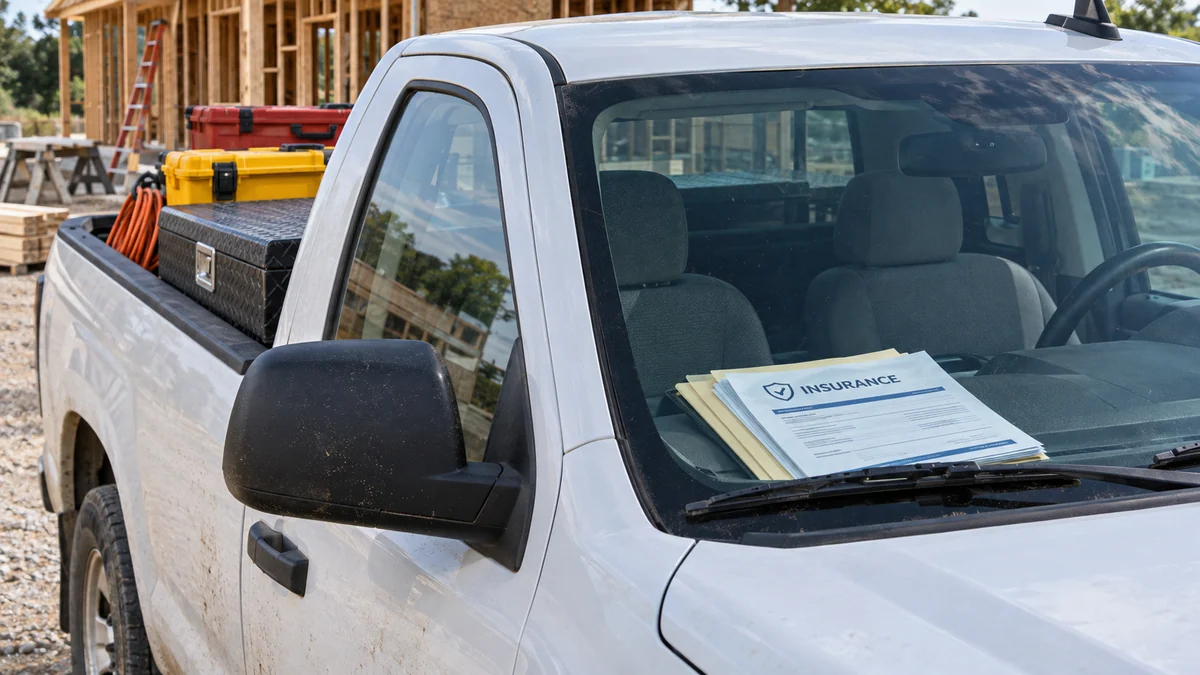
Start with what happens on a working day
A pickup you use to visit customers, transport materials or send an employee to jobs may need commercial auto insurance, even if you also use it for errands. Some personal policies accept particular uses, and eligibility and exclusions vary by insurer. Before you renew or buy, give your agent a plain account of what the pickup does and ask the agent to check that use against the actual form.
At The Phoenix Insurance in Dallas, we compare home, auto and business insurance across carriers. For a contractor’s pickup, I start by understanding the work. Driving alone to look at a job and sending another person with a trailer and customer materials are different exposures. You can describe both without knowing an insurance term.
Build a list of the trips you actually make
Look back at a normal workweek and one unusually busy week. Put the truck’s trips into plain language: getting to a regular work location, going from one customer’s property to another, collecting material from a supplier, or towing equipment to a site. Include trips taken after hours and days when someone else used the truck. Flag work that is seasonal, because what the vehicle does in the quiet part of the year can understate how you use it.
Be precise about what is carried. Small tools that stay in a toolbox are one fact. Regularly hauling material to install, making a delivery on behalf of someone else, or carrying equipment in a trailer changes the description. You can send a short list with a sentence about your business and where the pickup normally stays overnight. The Texas Department of Insurance’s guidance for delivery drivers illustrates the broader reason to ask: even among policies sold for personal use, insurers can handle business driving differently.
Check the names before you compare prices
Pull out your vehicle registration and policy declarations. Identify the owner, the named insured, and the business name under which you sign customer agreements. If you recently formed a company, transferred a truck into it or added a partner, tell your agent. The quoting information should match how things actually operate. A carrier needs to know if an individual owns a truck that a company uses, or if the company owns the vehicle and a household member uses it on weekends.
Name everyone who drives it and how often. An employee who moves the truck between job sites, a family member who uses it after work and a subcontractor who occasionally borrows it are three different conversations. Describe the arrangement and ask who is insured under the proposed policy. For other coverage questions that arise when you start operating under a business name, see our guide to a business owner’s policy and general liability.
Ask what happens in a specific accident
Before you accept a quote, try an example based on a real trip. Say that your employee is driving your pickup to a supplier during the workday, towing the company trailer, and another driver is injured. Ask the agent to walk through which insured parties and vehicles the proposed policy covers under those circumstances, which facts change the answer, and which coverage would apply to damage to your own pickup.
You can then ask about a Saturday errand in the same truck and a business trip in a vehicle the company rents or does not own. Bring the example that matches your operation. Ask for the policy form, endorsements and relevant exclusions so you can read the terms alongside the agent’s explanation. If you would like us to help compare terms, start by sending your uses and drivers with your current declarations through a secure channel. Cover unnecessary personal details if you are only asking for an initial conversation.
Ask separately about the trailer and the things inside
A truck, its trailer and what they carry may involve different coverage. Start with liability arising from towing, then ask about damage to the trailer itself and theft of the tools or cargo. Tell the agent whether the trailer is rented, personally owned or titled to the business, how often you tow it and where it is stored. Explain whether the contents are yours, a customer’s or leased equipment.
Include contract requirements in the conversation. A customer or project manager may ask for a certificate or a particular auto limit. Give that request to the agent early so they can compare it with available terms. A certificate summarizes information about a policy. If a contract requires a specific endorsement, ask the agent and your adviser to confirm what the policy documents actually provide. For the broader process of reviewing how your vehicles, household and business have changed, use this annual insurance review checklist.
What if staff use their own trucks?
Sometimes the owner’s pickup is the easy vehicle to identify. The harder situation is an employee who uses a personal pickup to pick up materials or a manager who rents a vehicle for an out-of-town project. List those trips separately. Ask whether the business has a policy or endorsement for hired or nonowned autos and exactly what that coverage does for the business. Ask separately what protects the driver and what would pay for damage to the vehicle itself.
Give the agent an example from your own operation. If the service manager asks an employee to drop off a tool at another job on the way home, note who owns the truck, who is directing the work and what the employee is carrying. Ask whether the employee should confirm business use with their own auto insurer. If you reimburse driving expenses, share that detail without assuming it determines coverage. Your licensed agent can review the facts with each insurer involved.
Keep the process simple for supervisors. Write down when workers may use personal vehicles for a business errand and who approves that use. Ask your insurance adviser to review that policy alongside the insurance you buy.
Compare the terms that change your exposure
Put quotes side by side with the same vehicle, use, drivers and business ownership information. Compare liability limits, deductibles, coverage for damage to the pickup, and any endorsement needed for how you work. Ask each agent to point out one situation where the policy would leave you paying out of pocket. That gives you a more useful comparison than seeing the same coverage labels next to different prices.
Cost can change with the vehicles and drivers, the work being done, the territory and the limits selected. If one quote comes in much lower, ask what use was entered and check the written assumptions. The difference could reflect terms, eligibility or how the account was quoted. Our guide to questions to ask before switching insurance has other items worth checking when you consider moving coverage.
Use a change in the work as a review trigger
You can review a policy before renewal. When you hire a driver, add a trailer, start serving a wider territory or take on a delivery contract, write down the change and ask the agent how it affects your coverage. Confirm the date when any change will take effect. When replacing a policy, get the new coverage and effective date confirmed before arranging cancellation of the old policy.
Give the person who manages the fleet or schedules jobs a copy of whatever operating limits the company needs to follow. If someone starts sending a different vehicle to a site, the person who issues the insurance certificate may never hear about it. It helps to designate one person to tell the agent about vehicle and driver changes and keep a record of the confirmation. Keep the records with the policy, where the business can find them after an accident.
Keep the written quote tied to your use description
Ask the agent to put the description of your work next to the quote. This is especially useful if the estimate began online and then changed after a conversation. Read back the ownership, drivers, regular trips and towing arrangements. If something is missing, correct it before the insurer finalizes the policy. If the agent cannot confirm a use under a given form, ask what other forms or insurers may be able to consider it.
For a business with both work and family vehicles, also check what happens to personal driving when the work pickup moves to a separate policy. List other household drivers and any vehicle they sometimes use or borrow, so the agent can evaluate both policies with the same facts. The details can matter when a work truck is in the shop and someone starts using a different vehicle to get jobs done.
Set aside the final signed application, written confirmations and policy together. Those documents give you a common reference if another employee takes over renewals or if a future quote comes back with a different description of the same pickup.
Bring the facts to your next insurance conversation
For a pickup you use in Dallas–Fort Worth, a short trip list, the ownership information, and any contract insurance requirements are a good starting point. If the business uses multiple vehicles, include the ones that are borrowed or rented. I can help you identify what the insurers need to know and compare the forms available to your business. A licensed agent should confirm the terms on the policy you ultimately select.
After you receive the declarations and endorsements, check the names, vehicles and effective dates once more. Ask the agent how to report any change and what to keep available for drivers. If you keep a copy of the use description you provided, you will have a useful record to update the next time the business changes.
Questions people ask me
Can my pickup have business use on a personal policy?
Possibly. Describe all uses to a licensed agent and ask what the specific insurer’s policy permits and whether that insurer needs a different policy or endorsement.
Does putting a logo on my truck mean I need commercial auto insurance?
The logo can prompt questions about what the truck does. The business activities, the owner and the drivers matter when an insurer evaluates the risk.
What if an employee occasionally drives a personal vehicle to a job?
Describe what the employee does, who owns the vehicle and how often it happens. Ask how the employee and your business would be insured and which policy responds for each.
Is my trailer automatically covered by my truck policy?
Ask about liability while towing and physical damage to the trailer as separate questions. Share the trailer’s ownership, use and value, and get the applicable terms in writing.
Sources
Keep reading
More from Aaron
- The Texas minimum is 30/60/25: how much car insurance a driver really needs
- Renting out your house: where homeowners coverage ends and landlord insurance begins
- A 1 or 2 percent wind and hail deductible: what it means in dollars when a storm hits
- Workers' comp is optional in Texas: what opting out really means for an employer
Money, taxes and insurance
- Certified Public Accountant · Joe
- Bookkeeping · Monis
- Auditor · EJ
- Fractional CFO · Daniel
- Financial Advisor · Joe
- Commercial Banking · Leslie

