
Auto Body & Collision Repair · 7 min read
A small rear bumper hit set off a parking sensor warning. What should a shop check?
A small dent can sit near a sensor, bracket, or wire. Ask what your specific vehicle needs checked before you approve a cosmetic repair.

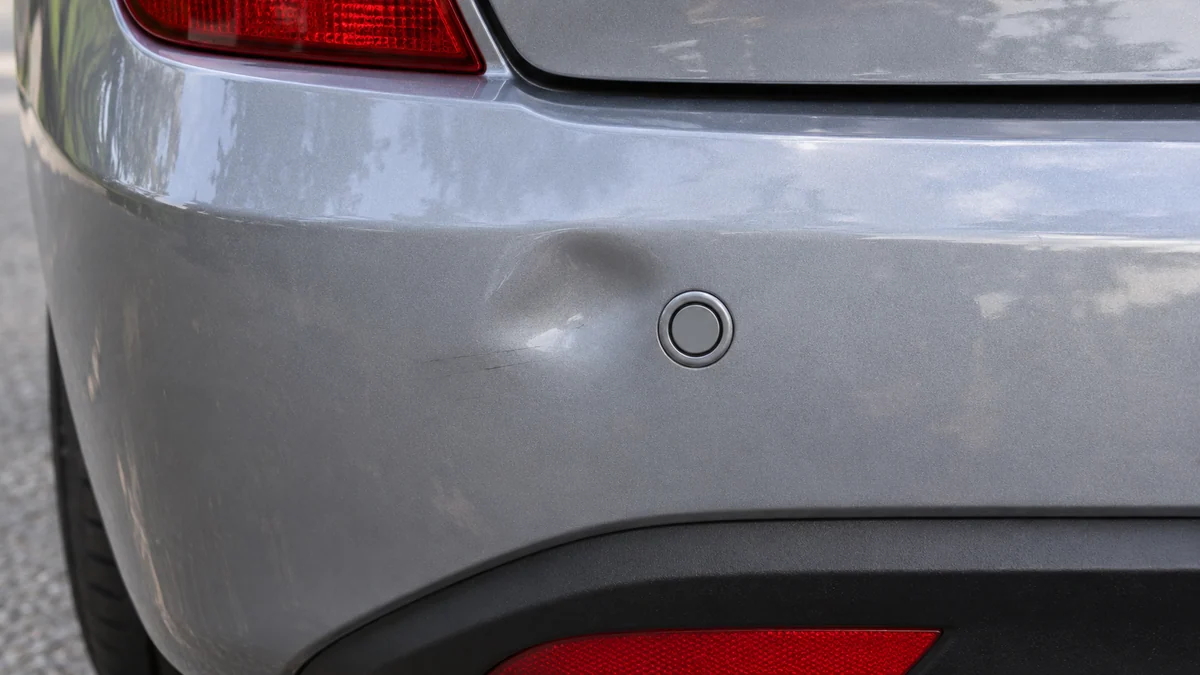
Ask for an assessment before treating it as paint work
A new parking sensor or driver-assistance warning after a rear bumper hit is a reason to have a qualified shop assess the vehicle. A bumper cover can show a small mark while a sensor mount, connector, or component behind it needs attention. The shop should identify the system your vehicle has and use the manufacturer's repair and verification procedures for that configuration. Avoid relying on the affected feature until the vehicle has been checked.
The first detail I ask for is what happened just before the warning appeared. Did a car nudge the bumper while you were parked, or did you back into something and notice a change on the next trip? A warning by itself does not identify the damaged part. Some messages also relate to conditions other than a collision. The timing and location of the impact give the shop a starting point. If the car has damage that makes it unsafe to move or you are unsure, ask about towing before driving it in.
Distinguish what you saw from what the system reported
Write down the exact message or sound and when it appeared. A parking distance alert that goes off when nothing is close is a different symptom from a message that the system is unavailable. A blind-spot or rear cross-traffic warning may belong to another system. Take a photo of the message while parked if you can do so safely. Keep a wide photo of the impact area and one showing where the mark sits in relation to any visible sensors.
If the warning comes and goes, note the conditions. Tell the shop whether it happened while backing up, after turning the vehicle on, or only after driving. Describe whether the warning was present before the impact or whether the system recently had other work. Include the make, model, and year and give the shop the vehicle identification information through its usual intake. That helps the technician identify the actual equipment before deciding what documentation to consult.
Avoid deliberately recreating a dangerous situation to see if a warning comes back. A photo, a description, and a record of what happened are enough to start a conversation. Let a qualified technician determine which checks are appropriate for the vehicle.
Check the cover, the mounting points, and the equipment behind it
When a shop looks at the bumper, ask whether it needs to inspect behind the cover. Some sensors are visible as round parts in the bumper. Others can sit behind the cover or elsewhere. A mark can be close to the part while the support behind it is shifted, and a broken retainer can leave a sensor sitting at the wrong angle. Ask how the technician will document what they can see before and after disassembly.
Different manufacturers set different limits around these parts. Ford's collision position statement describes why its approved bumper fascia and repair procedures matter for certain vehicles with driver-assistance equipment. Mopar's position statement discusses paint thickness, repairs near blind-spot sensors, and park sensor brackets. Those examples are why I ask for the procedure for your own vehicle. The job is to confirm the applicable instructions, not to apply another car's rules to yours.
Ask the shop to note any damage that was already there. A previous bumper repair or a missing clip can matter to what the technician finds, and the new impact may affect a different area. If you have an earlier invoice or photos, they can help the shop identify which parts were replaced and whether the cover was previously painted.
Know the difference between a scan and calibration
A scan can record information about what the vehicle's systems report, including diagnostic codes. Calibration is a separate procedure that may be required after particular repairs, replacements, or changes to where a sensor sits. The vehicle manufacturer's procedure tells the shop which checks or calibration apply. A cleared warning is one observation. Ask what documentation shows that the work required for your vehicle was actually done.
If a shop says it needs another provider to handle part of the testing or calibration, ask who will arrange it and whether its cost is included. Some jobs require particular equipment or test conditions. Ask how a failed check will be handled and who will contact you if the plan changes. My questions to ask when choosing an auto body shop cover other ways to learn what is included before you leave the car.
When I would arrange a collision assessment
If your bumper has a new warning, a loose piece, a misaligned cover, or a problem you can see around a sensor, get it assessed before approving a quick cosmetic fix. An estimate based on photos may help begin the conversation. It may not answer whether the mounting points and equipment are in good condition. At ACE Collision Repair, we work with collision damage and can discuss the inspection needed after an impact in the Dallas area.
Send a photo of the warning and the damaged area, and tell us whether you have already spoken to the insurer or another shop. Include which functions seem to have changed and how long after the impact you noticed them. If you are unsure whether the car should be moved, ask before bringing it in. My guide to what to do after a wreck can help you collect the information the shop and insurer may need.
Compare estimates by the work they include
A bumper estimate might include refinishing or replacing a cover but leave the sensor-related operations to be priced later. Ask which pieces of equipment are listed, whether the estimate includes a scan or inspection, and what work will be added if damage is found when the cover comes off. Ask for those items to be described separately so you can see why one quote differs from another.
Cost depends on the damage, the parts the manufacturer specifies, the work needed to reach the components, and any additional diagnostics or calibration required. If the insurer estimate does not include an operation the shop says is needed, ask the shop how it will document the reason and communicate the change. My guide to collision repair cost factors explains why two similar-looking dents can require different work.
If you are comparing a written estimate with a phone quote, ask which one assumes the cover stays on and which includes time to remove it. Clarify who pays for inspection if you decline the proposed work afterward. You can compare the prices more fairly when you know which steps each shop included.
Ask what happens if paint or a replacement part changes the plan
If the repair calls for refinishing near a sensor, ask whether the manufacturer sets material or paint limitations. If the cover or bracket is being replaced, ask which part was selected and why it meets the repair plan. A part can fit the visible opening and still be the wrong choice for the equipment on a particular vehicle. The shop should be able to explain the recommendation in terms of your configuration.
Before the work begins, get an agreement about who will call if the technician finds an issue behind the cover. Ask whether that review will affect parts availability, calibration arrangements, or the handoff date. Leave enough time to review new information instead of approving an appearance-only repair to meet the first estimate. My guide to OEM, aftermarket, and recycled collision parts describes the parts choices to discuss with the shop.
Review the work before relying on the feature again
At pickup, ask the shop to describe what it found, which components were repaired or replaced, and what the technician checked afterward. Ask for applicable scan, calibration, or verification records and compare them with the work on the invoice. If an alert is still active or comes back, ask what to do next. A complete explanation gives you and the technician a shared record of what happened.
Driver-assistance features have limits even when they work normally. Ask the shop or consult the owner's manual for what the feature is supposed to do and what conditions can affect it. If the vehicle behaves differently after the repair, note the message and conditions and contact the shop. Do not assume that another driver can see or respond to a warning just because you have told them the bumper was fixed.
If someone else will pick up the car, give that person the warning description and ask the shop to share the completed records with you directly.
Bring the impact story and the warning to the first conversation
For a Dallas–Fort Worth collision assessment, bring the car's details, photos of the damage, the exact warning, and what you know about any earlier repair to that area. If a warning changed after a previous estimate, share both the estimate and the new information. We can discuss how to find the affected components and what needs to be confirmed before settling on a repair plan.
Before you approve a price, ask the shop to walk you through its inspection, repair, and verification steps. Write down anything that has to wait until the cover is removed and how the shop will update you. Your decision is easier when you know what the estimate covers and which findings might change it. If a repair includes work by a separate provider, ask for the name of the person who can answer questions about those records later.
Questions people ask me
Can a small dent cause a parking sensor problem?
An impact can affect a sensor or its support even when the cover shows limited damage. Have a shop assess the exact vehicle and the area around the impact.
Does a scan mean the parking sensors are calibrated?
A scan and a calibration serve different purposes. Ask which procedures the manufacturer calls for after this particular repair and how the shop will verify completion.
Can the shop paint the bumper over the sensors?
Some manufacturers have specific rules about materials or paint thickness near sensors. Ask the shop to check the procedure for your vehicle and the parts involved.
What if the warning disappears before the appointment?
Tell the shop what the message said and when it happened. Keep the photos and ask what checks are appropriate even if the message is no longer visible.
Sources
Keep reading
More from Manasa
- Your insurance or theirs? Choosing which company pays for your car repairs after a Texas wreck
- Repair or total loss: how Texas insurers decide, and what to do if you disagree
- Picking up your car after collision repair: what to check before you drive away
- Why two dents can cost very different amounts: what drives a collision repair bill
Cars, travel and occasions
- Leather Repair · Francisco
- Fine Jewelry · Adam
- Florist · Jay
- Travel Agent · Dusty


