
Plumbing · 7 min read
Why one bathroom waits for hot water and when recirculation helps
If the water eventually gets hot, the wait may be in the pipe between the heater and that bathroom. I compare the fixtures before recommending a pump or a repair.

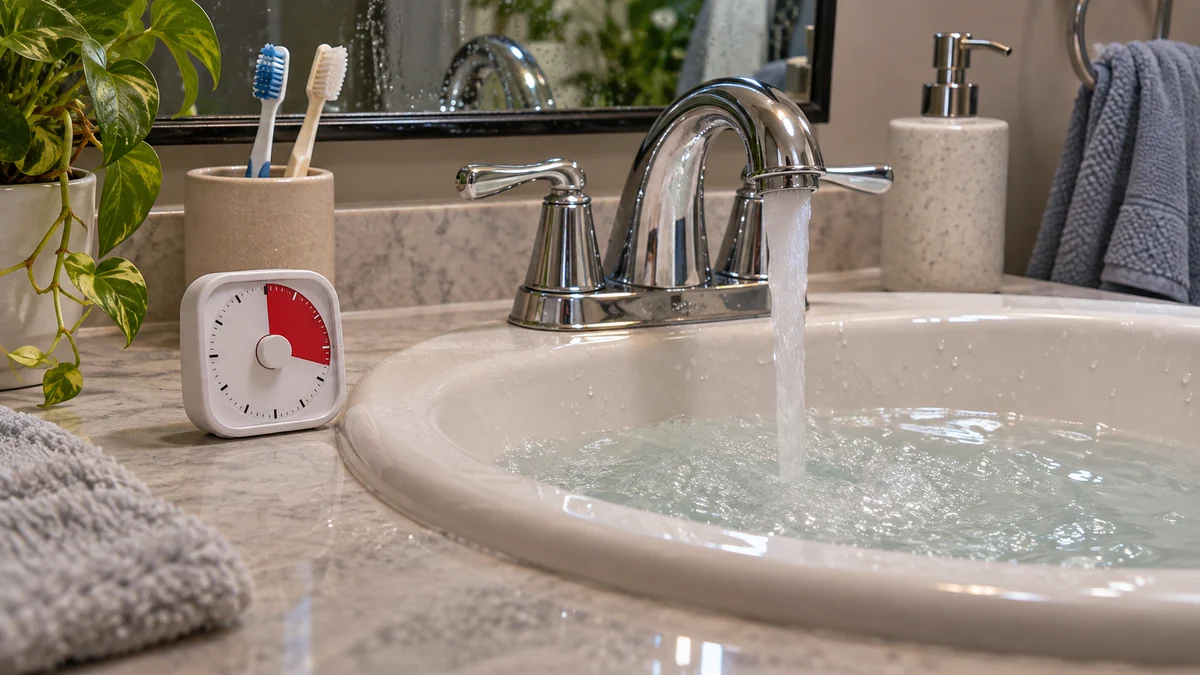
Figure out whether the problem is getting hot water there
One bathroom may wait longer for hot water because water that cooled in the supply pipe has to move out before hot water reaches the fixture. A demand recirculation system can help when a long run of pipe is the reason. If the water never gets properly hot or the problem started suddenly at only one faucet, have a plumber check the fixture, piping, and heater before you buy a recirculation system.
I’m Thomas Rhodes with 1-800-Plumber in Dallas. When I get this call, I ask whether the sink and shower in that bathroom behave the same way and whether another part of the house gets hot water sooner. Those details can tell us whether to focus on one fixture, a section of the system, or the heater. A wait for hot water and a shortage of hot water are different problems to investigate.
Start by describing what happens from a normal cold start. Tell me whether it stays cold for a while and then gets hot, warms only slightly, or turns hot and then goes cool again. That sequence is usually more helpful than saying the water heater is slow.
Compare the fixtures after the line has had time to cool
Try the problem fixture when no one has recently used hot water nearby. Use it normally and note roughly how long it takes to get warm enough for use. Compare it with a fixture that usually gets hot water quickly. Do the comparisons at separate times if opening one fixture would warm the same branch for the next one. There is no need to run water longer than required to observe the pattern.
Check the sink and shower in the same bathroom and tell us whether both are slow. If only one is affected, the problem might be local to that fixture. If all the outlets in a distant part of the house behave similarly, the supply route is worth looking at. If several rooms are not getting hot enough water, ask a plumber to look at the heater and system before adding a pump.
Write down if the issue is new or has been there since you moved in. A new fixture, plumbing repair, or heater replacement can give us a useful starting point. Include when that work was done and whether the delay changed immediately or showed up later.
Understand the water sitting between you and the heater
Energy Star explains that in a conventional system the water already sitting between the heater and the fixture comes out before hot water reaches the outlet. That water can cool while the fixture is not being used. The amount in the line depends on the route and size of the piping. A bathroom may look close to the heater on a floor plan and still be served by a long route.
Notice if the second person using the bathroom gets hot water sooner. That can be consistent with a line that is already warm from the first use. It does not establish the cause by itself. A plumber can compare the pattern with the piping layout and how the fixture behaves when the line is cold.
Your choice of heater does not erase the pipe between it and the faucet. My guide to tank and tankless water heaters covers the separate question of how a heater supplies hot water for the house. Replacing the heater without looking at the distribution can leave the distant bathroom with the same delay.
Compare a demand pump with other ways to address the wait
A demand recirculation system moves cooled water out of the hot line and back toward the heater when activated. Depending on the system, it may use a dedicated return line or a compatible arrangement that uses the cold piping as a return. Ask the plumber which design your house can use and what you should expect at the cold tap. Energy Star notes that some arrangements can temporarily warm the cold line.
Ask how you would start the system and how it stops. The control might involve a button, sensor, or schedule, depending on the equipment. A system that runs all the time can lose heat from the pipes and use more energy, so ask how the proposed controls fit the way your household uses the bathroom. Confirm that the heater and controls are compatible before installing them.
Consider where in the house you want the improvement. One proposed loop may help the bathroom you call about and leave a different branch unchanged. Ask the plumber to show which fixtures the design is meant to serve. A sketch of the route can explain more than the name of a pump.
Give the plumber enough information to isolate the problem
If the wait bothers you at a Dallas-area home, contact us with the fixture locations, what changed, and what happens at the other taps. Tell us what kind of heater you have if you know it, and whether a circulation pump or return line is already present. A photo of the heater label and an overview of the accessible piping can help with the conversation. Leave the covers and equipment alone if you are unsure.
We can review whether the problem looks limited to a fixture or part of the system and discuss what to check on site. My questions to ask before hiring a plumber covers how to compare an investigation and a proposed repair. Ask for the reason behind any recommendation, especially if one proposal replaces equipment and another changes the piping.
If you see a leak or other change along with the delay, mention it separately. The slow hot water may be one problem and the leak a different one. A plumber should know about both before deciding what to examine first.
Think about changes you already plan to make
If you are remodeling the bathroom or changing the heater, ask about the distribution while the project is being planned. Opening a wall or moving equipment can change what is practical. On an existing house with finished surfaces, the choice may depend on where pipe can be accessed and what repairs would follow. Compare the actual scope before assuming the same solution fits both projects.
If a new run of pipe or a dedicated return is proposed, ask where the work would occur and whether other trades are needed afterward. My guide to what happens during a repipe explains why access and restoring finishes matter to the schedule. A recirculation job may be much smaller, so ask the plumber to distinguish that scope from a wider piping project.
Think about how often the problem occurs and whether it affects one room that is seldom used or a bathroom you use every day. That can help you decide whether the wait justifies adding a system and what level of disruption you are willing to accept.
Tell us if a recirculation system used to work
Some households already have a pump or return line and call because the wait has become longer. Tell the plumber whether a power interruption, schedule change, heater service, or renovation happened around the same time. If you can see a display without touching the equipment, note what it shows. A change in operation can provide a more useful starting point than asking for a second pump.
Look for any manuals or invoices that identify the existing controls. Ask which fixtures the earlier work was meant to serve. A previous owner may have set up the system for a different part of the house or set the operating hours around a different routine. The plumber can check the equipment and the actual routing before you decide whether the system needs repair, different controls, or a different design.
Compare written proposals using the same conditions
Ask each plumber to list the fixtures being addressed, the suspected cause, the proposed equipment or piping change, and what will be tested before the work is considered finished. If the proposal depends on an existing return line or a certain heater setting, ask how that will be confirmed. A written scope helps you compare the work rather than comparing pump prices alone.
Ask what the controls will require from you. A person who wants hot water at an occasional guest sink may use the controls differently from someone getting children ready every morning. Ask about maintenance and what to check if the wait returns. The answer should make sense for the system that is actually being proposed.
If the job involves a heater replacement as well, ask for the reasoning and for the work to be described separately. My guide to water heater replacement cost factors covers items that can affect that estimate. Then you can see which part of the proposed work addresses supply and which part addresses delivery.
Check the result from the fixture you called about
After work, ask the plumber to demonstrate the controls and show the result at the affected fixture. Test with the line cooled under conditions similar to those you reported. Ask whether another fixture should be checked too and what to expect from the cold tap. Keep the model and service information with the rest of your plumbing records.
Bring us a short description of your fixture checks if you are ready to discuss it. Say how the delay changes between uses and whether the water eventually reaches the temperature you expect. We can talk through the next step and what needs to be verified in person. A useful proposal should explain why the work addresses your bathroom’s particular wait.
Questions people ask me
Would a new water heater make hot water reach the bathroom sooner?
It depends on what is causing the wait. If water is cooling in a long supply line, ask a plumber to evaluate delivery as well as the heater.
Why does the second shower get hot faster?
The first use may have warmed the pipe. Compare what happens after the line has had time to cool and describe the pattern to your plumber.
Will a recirculation pump make the cold tap warm?
That depends on the proposed design. Ask whether it uses a dedicated return or the cold line and what to expect from the fixture afterward.
Is it worth adding recirculation for a single fixture?
Compare the frequency and length of the wait with the work needed for that location. A plumber can help check if the fixture, branch, or heater is the source of the problem.
Sources
Keep reading
More from Thomas
- Buying an older Dallas house? Why the sewer line deserves its own camera inspection
- Water softener or water filter: which one a Dallas home actually needs
- You smell gas in the house: what to do first, and who fixes the leak
- What it really costs to replace a water heater, and the choices that move the price
Your home
- Roofing · Chris
- Gutters · Jordan
- Painter · Andrey
- Power Washing · Doug
- Foundation & Concrete · TJ
- Drywall Repair · John


