
Commercial Real Estate · 7 min read
What should a commercial lease letter of intent say before you pay to build out?
Before paying for plans or construction, use the letter of intent to put the landlord's delivery obligations and your fit-out assumptions on the same page.

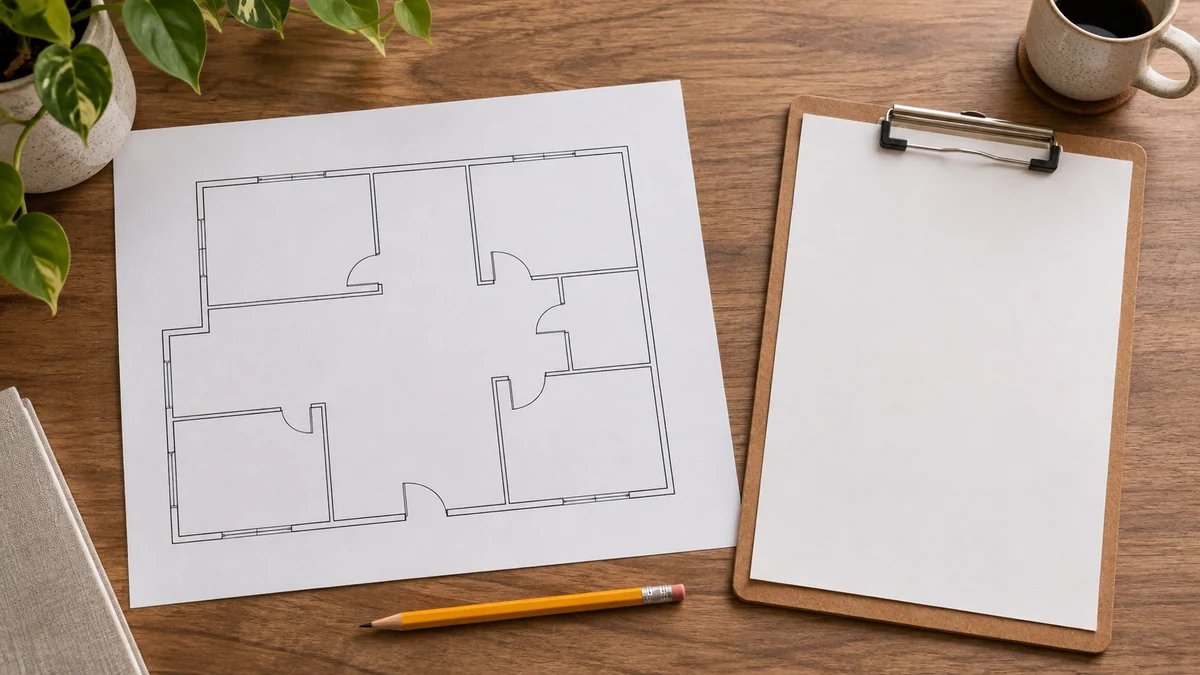
Put the delivery condition and rent trigger on the page
Before you spend on a build-out, ask the letter of intent to describe what the landlord will deliver, who pays for improvements, when you can enter for work, and what starts the rent clock. Add the proposed use, the suite or premises, and the key approvals your plan depends on. I use the letter to test whether the economics and timing are workable before counsel negotiates the lease. Have counsel review the letter before you sign and identify anything it could bind you to.
Picture a retail tenant who is promised a usable space and a contribution toward construction. The phrase usable can mean one thing to the landlord and another to the tenant. The tenant expects heating and cooling that can serve the intended operation. The landlord may mean that the equipment is present. Before you hire a designer or collect bids, write down who checks that equipment and what condition is expected at delivery. The same issue can arise with electrical service, entrances, or a restroom.
Start with how you will use the space
Describe what the business will actually do, including activity that may matter to the building owner. Think about customer visits, deliveries, operating hours, signage, equipment, and storage. A word like retail may not answer whether you need a pickup area or whether a back door can be used for deliveries. Ask how much of that plan the landlord is prepared to accommodate. Identify which parts require separate confirmation from a contractor, building professional, or local authority.
Attach a plan or a description that makes the premises easy to identify. Check the suite outline, entry points, areas you expect to share, and any space that was shown on a tour but does not belong to the suite. If a shared corridor is essential to how your staff or customers will get in, put that assumption in the conversation. My guide to comparing office, retail, and industrial space covers practical questions that can make one layout a better fit even before you discuss the rent.
Spell out the work on both sides
Ask the landlord to list the work they are proposing to finish before delivery. Ask what is being delivered in its current condition and who is expected to address anything beyond the list. Confirm what the tenant's contractor may inspect and when. A short work list tied to a plan can be more useful than broad descriptions such as ready for occupancy, especially if different people will review the deal and oversee the work.
Separate the landlord's construction work from any tenant improvement allowance. An allowance is money the landlord may contribute under agreed terms. It does not tell you who does the work or when you receive the money. Ask which costs count, what documentation is needed for payment, whether money is available in stages, and what happens if work costs more. My guide to the true cost of leasing commercial space shows why the quoted rent needs to be read alongside the other costs the tenant takes on.
If the premises already contain improvements you plan to keep, ask whether the landlord will remove anything before delivery. List the fixtures or partitions you counted on during the tour. An attached photo or marked plan can help identify what stays. Ask who will confirm the condition of the retained work and how problems found later are handled.
Write the dates in the order the work happens
Sketch a timeline from delivery to opening. Mark when design and construction access begins, when any landlord work is expected to be complete, when approvals may come through, and when rent begins. A single date on the first page leaves several questions unanswered. For instance, a rent-free period measured from lease signature can run while the landlord is still preparing the space. Ask what each date is tied to and which side can confirm that the trigger occurred.
Bring that timeline into the discussion before you accept a concession. If an allowance is reimbursed only after the tenant pays contractors, ask whether that timing works with your cash plan. If the lease starts while the tenant is still waiting for access, ask what happens if delivery slips. Your lawyer can help express those business points in the final agreement. The letter gives you a place to see if the parties are willing to address them before you spend more time on the site.
Review the dates with the person who runs the business. A move may depend on ending an existing lease, giving notice to a vendor, or moving equipment while customers are away. Those obligations may influence which delivery dates are workable.
When I would involve the broker and attorney
If you are comparing Dallas–Fort Worth locations, bring the broker your use, the early space plan, and the timing you need to open. Ask who represents whom before sharing your negotiating limits. The Texas Real Estate Commission's Information About Brokerage Services form explains brokerage roles. Ask the broker what they will do for you, what information they can share, and how compensation would be handled. Have your attorney review the actual letter and lease.
I would involve the build-out professionals early if the space requires equipment, a change in layout, or any other work that could affect the deal. A visual tour cannot confirm every condition you will need. In my commercial real estate work, I can help compare sites and organize the business points to negotiate. Have the professionals responsible for the work confirm cost and feasibility. If the terms depend on an estimate or approval you do not have yet, make that open question visible.
Put the expensive uncertainties next to the proposed terms
Make a short table with the assumption, the person who can confirm it, and what you would do if it turns out differently. For example, a tenant might assume the existing HVAC will remain. Ask who can inspect it, who pays if an issue is found, and how the expected delivery condition will be documented. A small change in those answers can affect a quote and the rent you can afford.
Use the same approach for access before signing. Find out which people can enter to measure, whether the landlord permits intrusive inspection, and what must be arranged before a contractor comes. Ask counsel what any access agreement means for you. If the owner will not allow a check that is important to your business, consider what it would cost to proceed without that information. A proposal that works only if every assumption holds deserves more review.
Compare proposals on usable timing and cash
Two letters can offer similar rent and lead to very different budgets. Compare how much you must spend before opening, when any allowance would be paid, and what you may owe while waiting to open. Include professional fees and move costs in your own plan. If a lower-rent space needs more work or offers a shorter window before rent starts, look at the cash needs side by side. Ask the broker to help identify which numbers are firm and which are assumptions.
A short review can save rework on a larger negotiation. Ask who will take each issue into the lease draft and what it costs to have a lawyer review the letter, the proposed work terms, and the final document. My guide to negotiating a commercial lease on your own explains where business comparisons and professional review fit into the decision. If a party will only address a point in the lease, record it so the next draft is reviewed with that point in view.
Check the lease draft against the term sheet
Keep the letter and any referenced plans together. When the lease draft arrives, compare the delivery condition, work scope, allowance timing, access dates, rent triggers, and approval language. Ask counsel to review omissions and differences. A clause that looks similar can place a responsibility on a different party or tie the date to a different event. Do the comparison while there is still time to discuss changes.
The business terms may also appear in exhibits. Review who prepares the plan, which revision is attached, and how later changes are approved. For a deadline that depends on delivery, ask how both sides will know that delivery occurred. My guide to tracking your obligations after a lease is signed is useful once the agreement is in place. It helps you turn the dates and responsibilities you negotiated into a list someone can act on.
Bring the proposed opening date and what you know about the space
If you have a space in mind in North Texas, bring the floor plan, proposed rent, the condition you saw at the tour, and any construction promises you have received. Tell me your hoped-for opening date and which commitments would be difficult to make before you get possession. I can help compare the property terms and identify which open points belong on the letter before you move into lease review.
A useful letter gives each side a chance to decide if there is a workable deal. Before you spend on detailed plans, ask who owns each early cost and what would happen if the lease does not go ahead. Bring that answer to the people who are preparing the bids and drawings. They can tell you what they need from the landlord to do useful work at that stage.
Questions people ask me
Is the letter of intent binding?
That depends on the language and circumstances. Have a lawyer identify which provisions could bind you and what still depends on the final lease.
Should the allowance be in the letter of intent?
If it affects whether the space is affordable, put the proposed amount, eligible work, and payment timing on the list of business points. Ask counsel to check how the final lease documents the obligation.
Can the contractor visit before the lease is signed?
Ask the landlord what early access is available and what it permits. Have counsel review any access terms before arranging an inspection or sending a crew.
Does free rent start when I open?
The proposed rent start can be tied to different events. Ask how the letter defines the trigger and check whether the lease uses the same event.
Sources
Keep reading
More from Julie
- How long it takes to lease commercial space, from the first search to opening day
- Buy the building or keep leasing: how a business owner should decide
- Three years left on a lease you no longer need: how a Texas business gets out early
- The rent per square foot is not the price: what commercial space really costs
Buying, selling and moving
- Residential Real Estate · Andy
- Residential Mortgages · Maria
- Title Services · Gail
- Moving Company · Mike
- Residential Property Management · Justin

