
Title Services · 7 min read
The survey shows a fence over the property line. What happens before closing?
A fence that crosses a surveyed boundary can affect closing and insurance. Ask what the survey actually shows, how title will treat it, and which contract dates matter.

Start with the survey, the commitment, and your contract
If a survey shows that a fence crosses the property line before a Dallas home closing, send the complete survey to the title company and flag the specific spot to your agent or attorney promptly. Ask the title team whether the underwriter needs more information or expects an exception in the proposed policy. Then have your agent or a Texas real estate attorney review the contract dates and advise you on the next step.
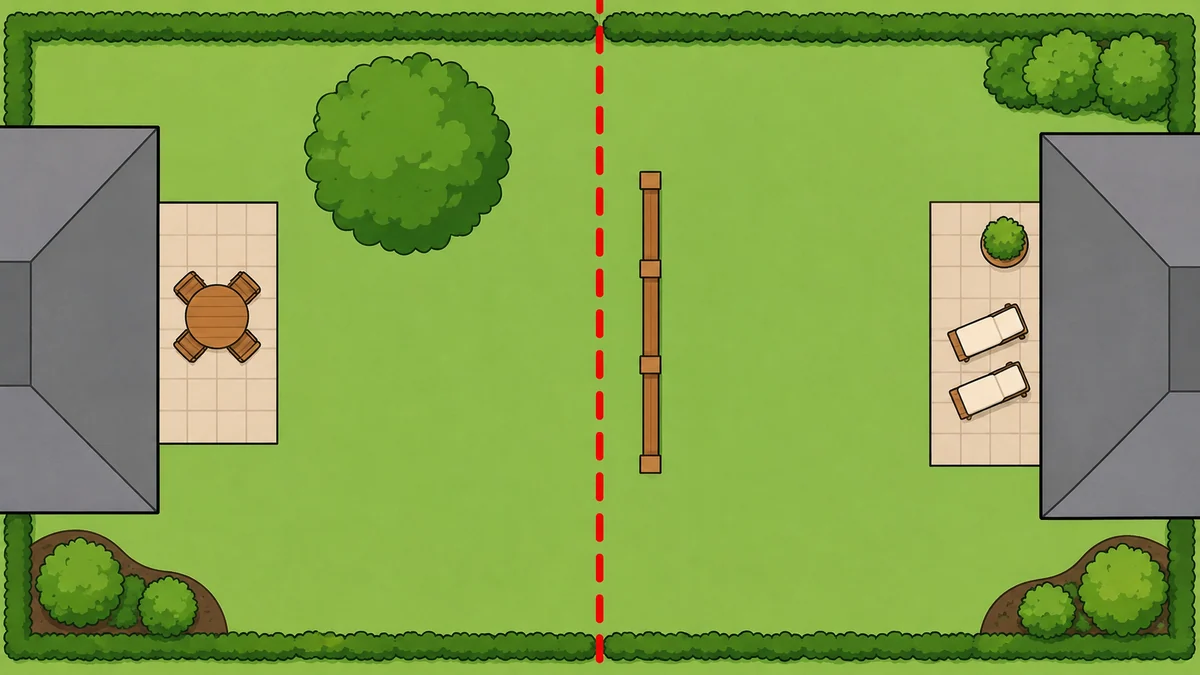
When I see a fence drawn outside a boundary, I want to establish what crosses and in which direction. Your future fence might extend onto the neighboring lot. The neighbor's fence might take in a strip of the property you are buying. Either way, you need the surveyor's information and the contract before deciding whether the issue can wait.
That fence line can matter for reasons beyond appearance. You may plan to fence in a yard for a dog, replace a fence after closing, or add a structure nearby. Tell the team about any use that influenced your purchase. The implications of the survey are easier to discuss when everyone knows how you expect to use that part of the property.
Ask the surveyor to explain which lines you are seeing
A survey can show the property boundary, a fence, and other lines or labels that are easy to confuse at first glance. Check the legend and ask the surveyor to explain how the fence relates to the boundary. Give the title company the complete survey, including any notes or pages that explain how it was prepared.
Check whether the fence on the survey is still the one at the property. If the seller replaced it since the survey was prepared, tell the title team and ask whether a new or updated survey is needed. Texas Department of Insurance rules allow an insurer to accept certain existing surveys and supporting documents, subject to the company's requirements. An old survey's existence does not establish that it is sufficient for this transaction.
If the fence crosses the boundary only at one point, describe where. If it runs on the other side along much of the lot, say so. Use the surveyor's explanation to distinguish a marking question from an actual issue involving an improvement across the line.
Keep the contract dates in view while title reviews the issue
A question for the title company and a notice under the purchase contract may do different things. Ask your real estate agent or attorney what the agreement says about receiving the survey and title documents, giving notice of objections, and dealing with an unresolved matter. If you have a date coming up, tell everyone when you flag the survey.
I would also ask who will communicate with the seller and who is authorized to agree to any extension or change. Do not assume an email attaching a survey changes a contractual deadline. Get help reading the actual documents and keep copies of any signed change or written response.
At Capital Title, we help with residential closings. If you have the survey and commitment, bring them together and point to the part of the fence that concerns you. The earlier the team can see the documents, the more time it has to tell you what information is needed.
Understand what the title exception would say
The Texas Department of Insurance's title insurance FAQ recommends comparing the legal description with the survey and cautions that boundary disputes may require additional coverage. If a proposed policy lists an exception, it is important to read the wording for the specific property. Ask the title company to show you what the exception describes and whether it applies to the fence you are asking about.
Texas title rules allow an insurer to amend the general area and boundary exception when it accepts a survey and applicable requirements are met. A company may still identify a specific survey matter as an exception. The department's basic manual also describes a form of express insurance for some encroachments if the company finds the risk insurable. Ask the title agent what it can offer on your transaction before you rely on coverage.
Our guide to the owner's policy and the lender's policy explains who is protected by each. A lender's willingness to proceed does not tell you whether your own proposed coverage will address the fence.
Compare the possible paths without assuming any will work
Depending on the facts, the parties may discuss relocating the fence, documenting an arrangement, proceeding with a known exception, or another response the contract allows. I would ask the surveyor to explain any further measurement and ask a Texas real estate attorney about the rights and obligations involved. The title company can explain its own underwriting requirements and the documents it needs.
Moving the fence may require time, access, or someone else's agreement. An agreement concerning the boundary or use of land may require more than the seller's assurance. Ask the attorney what needs to be signed or recorded and ask the title company what it would accept before treating an informal conversation as a solution.
If you are financing the purchase, ask the lender whether the issue or a change in closing date requires another review. The seller, title company, and lender may need different records. Give each person enough information to explain their part of the decision.
Ask how an existing survey is being supported
The seller may have a survey from when they bought the house. If it is being offered for this closing, ask what the title company needs to consider it, including any affidavit or declaration and information about later improvements. Ask who will provide the documents and whether the review can happen before your next decision date.
Take note of any structures added since the survey, even if the fence is the first concern you noticed. A shed, addition, or later fence can change what is shown. An old survey that is clear and readable may still leave questions about work that happened afterward. Let the surveyor and title company determine which facts need to be checked.
If someone orders a new survey, confirm who will receive it and whether the final version should be sent straight to title. A photo of the drawing can help identify the spot in a conversation, but I would ask for the complete readable document when the title team is reviewing coverage.
Look for related closing issues early
The drawing might also show the fence near an easement or another marked strip of land. A property line and an easement describe different things. Ask the surveyor which lines you are looking at and ask the title team which recorded documents relate to them. An attorney can explain how those documents affect a planned use.
Also consider whether the fence location changes access to a driveway, utility area, or part of the yard the contract describes. Take photos from the property you are allowed to access and share them with the appropriate people. Avoid moving or marking the fence as a way of testing the issue.
Our guide to what the title company does while a home is under contract describes other documents moving through closing at the same time. Keep the survey question visible on that timeline so it does not get lost among routine requests.
Compare the revised paperwork before you sign
If the parties agree on a solution, ask for an updated commitment or written explanation of how title will treat it. Keep that with the survey and any contract changes. Look at the affected wording alongside your attorney's explanation so that you understand the difference between the property you are buying and the risks the policy covers.
At the appointment, you can ask the title team to show you where the final documents reflect the resolution. Our guide to preparing for a Dallas closing appointment can help you organize the rest of your paperwork. Keep the final survey and issued policy where you can retrieve them later.
Give the survey issue a clear place on the closing checklist
Record what the surveyor confirmed, what title still needs, and who is communicating with the seller. Identify the next date that requires a decision. If different people are working on the issue, a short list of unresolved items helps everyone see whether a reply is still needed.
I would also write down what you plan to do with that part of the property after closing. If you expect to replace the fence, build near it, or use the strip for access, ask your attorney whether the proposed resolution affects those plans. That is a separate question from whether a document is sufficient to issue the title policy.
Bring the full documents to the first conversation
If you are buying in Dallas or the Park Cities, tell me where you are in the process and whether you have already received the survey and commitment. Include the location of the fence and whether it affects something you plan to do with the property. Mention any notice or closing date you have been given.
I can discuss what Capital Title needs to route the issue for review and which documents are still outstanding. If the matter turns on a boundary dispute or contract question, ask a Texas real estate attorney to advise you. The goal is to understand the open issue, the timing, and the proposed policy before you decide how to proceed.
Questions people ask me
Does a fence on the survey establish the actual boundary?
A fence is an improvement that may or may not follow the boundary drawn on the survey. Ask the surveyor to explain the drawing and consult an attorney if the people involved disagree about the legal boundary.
Can a Texas title company insure a fence encroachment?
The title company has to review the survey and proposed policy. Texas rules provide for certain coverage options, subject to underwriting, and the policy can still list specific exceptions.
Will a lender tell me whether my owner's policy covers the issue?
The lender can explain its requirements for the loan. Ask the title team about the wording of the proposed owner's policy because it protects a different party.
Should I wait for the closing appointment to raise the issue?
Raise it when you receive the survey. Ask your agent or attorney about notice deadlines and give the title company time to review the documents.
Sources
Keep reading
More from Gail
- Closing a Texas home equity loan: the 12-day wait, the 80 percent limit and the 3-day rescission
- The deal fell apart: what happens to the earnest money held at a Texas title company
- The title commitment arrived: how to read Schedules A, B, C and D before you close
- Your closing appointment: what to bring, what you sign and when the house is yours
Buying, selling and moving
- Residential Real Estate · Andy
- Residential Mortgages · Maria
- Moving Company · Mike
- Residential Property Management · Justin
- Commercial Real Estate · Julie


